
Social Deduction
8 storiesRounds commonly move through discussion, accusation, voting and elimination, with voice chat and group psychology shaping outcomes as strongly as formal rules. This page covers role design, moderation, accessibility, balance, matchmaking and the ways different games turn deception into co-operative or competitive play.
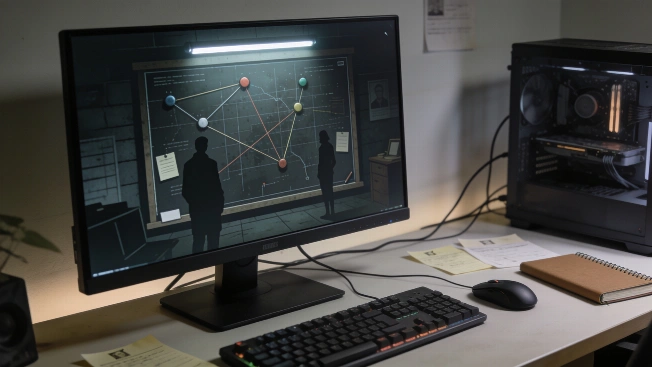
Dupery Locks In October 15 Steam Launch With 20% Off
Yogscast Games and Gilded Rune Games will release Dupery on Steam on October 15, 2026. The launch carries a 20% discount after the community solved its ARG.
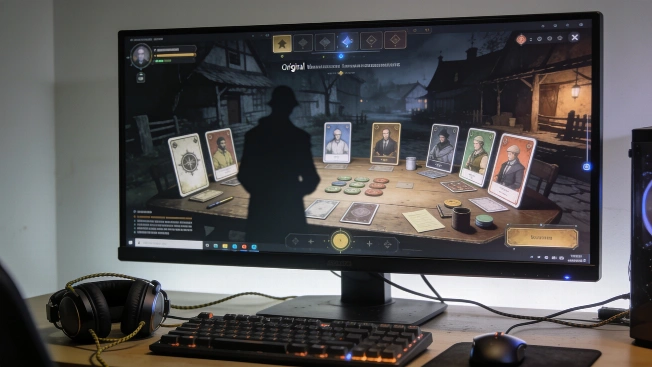
Demon Bluff Targets November 2026 for Its Steam Debut
offbrand games and UmiArt have set a November 2026 Steam window for Demon Bluff after its Convergence Games Showcase reveal. The date and price remain unconfirmed.

After-State: WoLong reveals an Underworld mystery
Right Mind has announced After-State: WoLong for PC, a surreal murder mystery in which Zhuge Liang investigates serial killings alongside Sherlock Holmes inside a snowbound lodge in the Underworld Olympics.
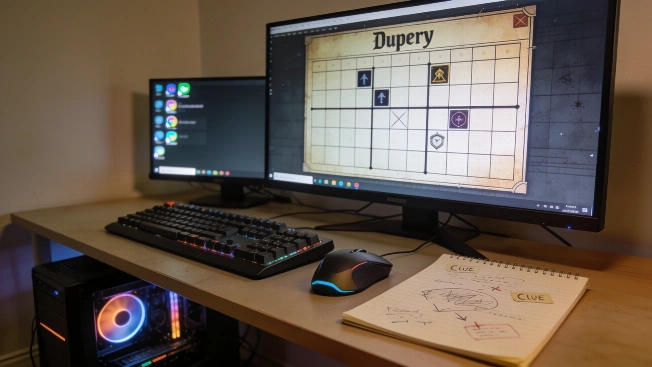
Dupery ARG Community Unlocks Launch Discount Ahead of Steam Release
Players are racing to solve the Dupery ARG before launch as Gilded Rune Games and Yogscast Games promise a 20 percent Steam discount if all clues are cracked before the October release
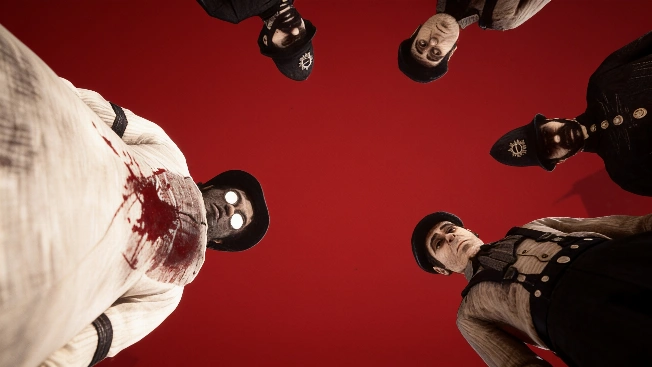
4 Penny Coffins Revealed as Social Deduction Thriller Set in 1888 London
Other Ocean Interactive has announced 4 Penny Coffins, a social investigation game set in 19th-century Whitechapel, blending detective work with horror elements and supporting both multiplayer and solo play

4 Penny Coffins Playable at gamescom 2026 with Magistrate Mode Demo
Other Ocean Interactive has confirmed that 4 Penny Coffins will be playable at gamescom 2026, offering attendees a first look at its single-player Magistrate Mode and opportunities for community engagement

Mimic Early Access Release Date Set for 27 October on PC
Ryan Laley Games has confirmed that Mimic, a social-deduction survival horror game, will enter Early Access on Steam and Epic Games Store for Windows PC on 27 October 2026, with console versions planned for 2027
The Dungeon Club Announced as Social Bluffing Game Where Ghosts Compete
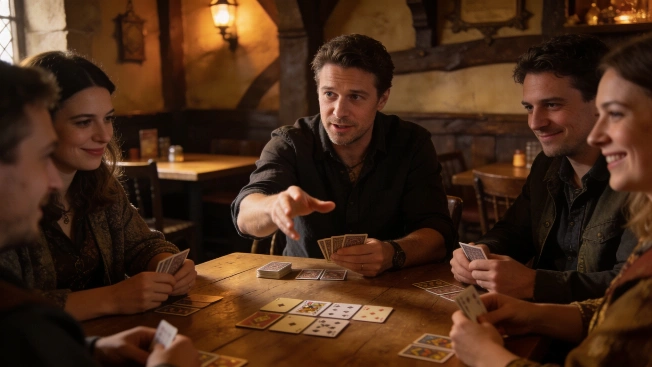
RA Tabletop has revealed The Dungeon Club, a multiplayer social bluffing card game where eliminated players return as ghosts to disrupt the living and remain in contention for victory