
Sony has confirmed it will stop producing physical PlayStation game discs from January 2028, prompting Nier creator Yoko Taro to share his concerns about the future of physical media and the impact on players and retailers
The future of physical game discs on PlayStation platforms has been thrown into sharp focus following Sony's announcement that it will cease production of physical PlayStation game discs from January 2028. The move has drawn notable reaction from within the industry, including a public response from Nier creative director Yoko Taro, who expressed disappointment at the loss of physical media and questioned the wider consequences for players and independent retailers.
Sony's Physical Media Decision
Sony's decision to end production of physical PlayStation game discs marks a significant shift in its distribution strategy. From January 2028, new PlayStation titles are expected to be available exclusively through digital download, with no new physical discs manufactured for PlayStation platforms. This change will affect all future releases, although existing physical games and back-catalogue discs will remain playable on supported hardware.
The announcement follows a period of increasing digital adoption across the industry, with digital sales now accounting for the majority of new game purchases on PlayStation Store. Sony has not yet detailed how the transition will be managed for regions with limited internet access or for collectors who prefer physical editions.
Industry and Player Reaction
Yoko Taro, best known for his work on the Nier series, responded to the news on social media, describing the end of physical media as a disappointing but perhaps inevitable development. He noted that he had previously expected high-priced limited editions to remain available in physical form, even as standard releases moved to digital-only distribution. Taro's comments reflect a broader concern among players and creators about the loss of ownership, collectability and the role of independent game shops.
Online, the announcement has triggered a wave of discussion among players, with some expressing frustration at the prospect of digital-only access and others highlighting the convenience of downloads. Recent PlayStation game announcements and trailers have seen increased comment activity focused on the physical media decision, with some new releases attracting protest messages from players who prefer discs.
Legal and Retail Implications
The shift away from physical discs has already prompted legal scrutiny in some regions. A Dutch consumer interest group has initiated legal action against Sony, arguing that the move towards a digital-only ecosystem could restrict competition and harm consumers. Similarly, lawmakers in Mexico have raised concerns that ending physical disc production may constitute a monopolistic practice, potentially driving up prices and threatening the viability of independent game retailers.
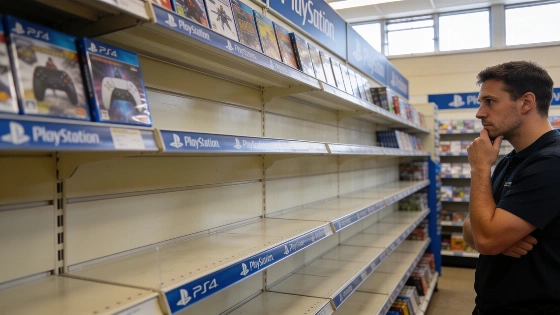
For retailers, the end of physical PlayStation discs represents a major change to the business model that has supported game shops for decades. Without new disc releases, independent stores may face reduced foot traffic and fewer opportunities to sell new titles, limited editions or pre-owned games. Sony has not yet announced any specific support measures for affected retailers.
What Remains Unclear
While Sony has confirmed the end date for physical disc production, several important questions remain. It is not yet clear whether any exceptions will be made for collector's editions, archival releases or regions with unreliable internet infrastructure. The company has also not detailed how it will address concerns about digital ownership, long-term access to purchased games or the preservation of titles that are no longer available on digital storefronts.
Players who prefer physical media are advised to monitor official PlayStation communications for further updates, especially as the 2028 deadline approaches. The transition period may see increased demand for remaining physical editions, particularly for high-profile releases and limited runs.
Understanding the difference between physical and digital game ownership is essential as the industry moves towards download-only distribution. Physical discs allow players to install, lend, resell and preserve games independently of online services, while digital purchases are typically tied to platform accounts and subject to licensing terms. The shift to digital-only access raises questions about long-term availability, resale rights and the preservation of gaming history, making it a central issue for both players and the wider industry.