
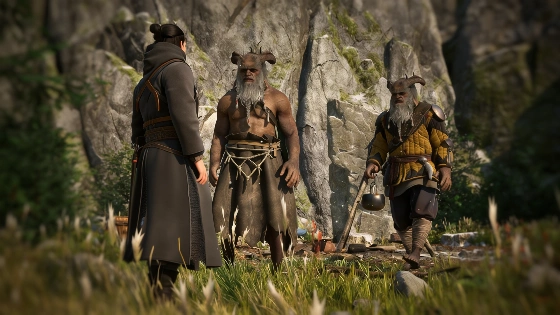
Rebel Wolves has detailed the unique sentient races in The Blood of Dawnwalker, including time-manipulating pixies and mountain-dwelling giants, offering a distinct take on fantasy worldbuilding ahead of the game's release
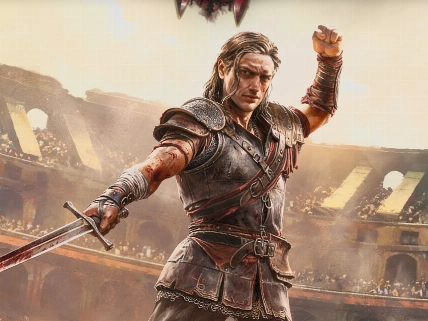
The Blood of Dawnwalker, the upcoming RPG from Rebel Wolves, is shaping up to offer a fantasy world that deliberately avoids the usual elves-and-dwarves formula. Instead, the studio has introduced a line-up of sentient races inspired by folklore, each with their own mechanics and cultural depth. This approach is intended to set the game apart from more traditional fantasy settings and provide players with new ways to interact with the world and its systems.
Folklore-Inspired Races and Time Mechanics
One of the most distinctive additions is the sanzhana, a pixie-like species with a fascination for teeth and the ability to manipulate the game's time system. These creatures, described as a blend of moth and human, are rare but play a significant role in certain quests. Players may find themselves trading teeth with sanzhana in exchange for the chance to alter the time limit-a core mechanic in The Blood of Dawnwalker. This design draws on myths of time-bending pixies and integrates them directly into gameplay, offering exceptions to the game's otherwise strict time constraints.
The sanzhana are not a common sight in the world of Vale Sangora, but their presence is designed to create moments of unpredictability and secret discovery. Their unique abilities mean that players will need to consider how and when to interact with them, as the rewards can have a substantial impact on progression. This focus on systemic exceptions is part of Rebel Wolves' broader effort to make the world feel alive and full of surprises.
Uriashi and Kobolds: New Takes on Classic Archetypes
Alongside the sanzhana, the uriashi represent another major departure from standard fantasy races. These towering, beast-like humanoids live in remote mountain villages and have only recently re-emerged after being hunted to near-extinction. Their culture is built around secrecy, patience, and a conservative approach to change, with villages camouflaged against the mountainside and a political structure that sometimes leads to internal division.
Uriashi are often seen working alongside humans, providing physical strength for garrisons, but their integration into society is a recent development. Communication with uriashi is complicated by their limited grasp of human language, which can lead to misunderstandings. However, they are highly intelligent and possess a strong command of magic-an area where The Blood of Dawnwalker diverges from the elemental spells of Dungeons & Dragons, instead favouring rituals that draw on blood and cosmic forces.
The game also features its own interpretation of kobolds, reimagined as dark, chittering goblin-like creatures that inhabit caves and mines. These kobolds are impulsive, greedy, and difficult to negotiate with, as they tend to vocalise every thought. This trait can be used strategically by players, but it also complicates any attempt at diplomacy or alliance.
Magic, Systems, and Player Impact
Magic in The Blood of Dawnwalker is intentionally distinct from the fireballs and lightning bolts of classic RPGs. Instead, spells and curses are tied to blood rituals and subdued visual effects, reinforcing the game's darker, more mysterious tone. The protagonist, Coen, can learn a range of abilities from the uriashi, including spells, curses, and hexes, which are integrated into the skill tree system. These abilities are designed to feel unpredictable and dangerous, reflecting the game's emphasis on the unknown and the uncontrollable.
Monsters such as gargoyles-described as magical automatons-further expand the supernatural landscape. The presence of these creatures, alongside the unique sentient races, suggests that players will encounter a wide variety of challenges and opportunities as they explore Vale Sangora. While not every detail about the game's systems has been revealed, the focus on folklore and systemic exceptions is clear.
For those interested in how rare gaming items can spark discussion within the community, a recent story about a sealed Modern Warfare 2 copy being presented at Fanatics Fest offers another example of how unique moments can capture players' attention. Read more about that event here.
Release Status and Remaining Questions
The Blood of Dawnwalker is currently in active development at Rebel Wolves, with a release window yet to be confirmed. The studio has been gradually unveiling details about the game's world, systems, and lore, but has not yet provided a full breakdown of platform availability or technical specifications. Gameplay footage released so far has focused on quest interactions and the unique mechanics tied to the game's sentient races, but it remains to be seen how these features will function in the final build.
Key questions remain around the extent of the time-manipulation system, the depth of uriashi magic, and how the various races will interact with the main narrative. As with many RPGs in development, some features may evolve before launch, and players should expect further updates as the release approaches. For now, the evidence points to a game that is committed to breaking away from genre conventions and offering a more unpredictable, folklore-driven experience.
Understanding how time systems work in games like The Blood of Dawnwalker is essential for appreciating their impact on gameplay. Time limits can create tension and force players to make strategic decisions, but when exceptions or time-bending mechanics are introduced, they can also open up new possibilities for exploration and experimentation. The balance between strict systems and carefully placed exceptions is a key part of what makes these mechanics engaging and unpredictable for players.