
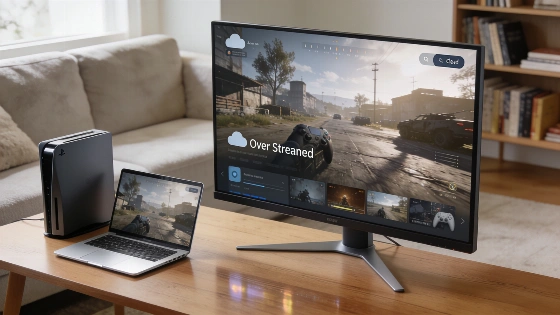
Take-Two Interactive CEO Strauss Zelnick has suggested that low-latency game streaming could become commercially viable within three years, potentially reducing the need for expensive dedicated gaming hardware
Take-Two Interactive's latest earnings call has placed the future of gaming hardware under scrutiny, as CEO Strauss Zelnick addressed the impact of rising component costs and the potential for cloud-based game streaming to reshape how players access major titles. Zelnick acknowledged that the increasing price of hardware, driven by global demand for AI data centres and persistent memory shortages, is a challenge for both publishers and players. However, he argued that advances in low-latency streaming could soon make high-end consoles a premium rather than a necessity.
Streaming as a Hardware Alternative
Zelnick's comments suggest a significant shift in how games could be delivered and played. He indicated that, within three years, streaming technology may reach a point where latency is low enough to satisfy mainstream players, allowing a wide range of devices to function as capable gaming platforms. This would mean that players could access Take-Two's catalogue-including major franchises-without needing to invest in the latest console or PC hardware. The CEO described this as an opportunity to expand the practical install base far beyond current console ownership.
While cloud gaming services already exist on Xbox, PlayStation and PC, they remain a niche option, largely due to ongoing concerns about input lag and connection stability. Zelnick's timeline for commercial viability is notably more specific than most industry predictions, but he stopped short of confirming any new Take-Two streaming initiatives or partnerships at this stage.
Market Impact and Technical Barriers
The potential for streaming to "10x" the effective install base, as Zelnick put it, is tempered by the reality that many core players already own dedicated gaming hardware. He clarified that while the reach of Take-Two's games could grow dramatically, this would not automatically translate into a tenfold increase in revenue. Instead, the main benefit would be the ability to reach new audiences in regions or demographics where console ownership is less common.
Technical limitations remain a central concern. Current streaming platforms are still challenged by the demands of large-scale, graphically intensive games-an issue that will only become more pronounced as titles like Grand Theft Auto VI push the boundaries of open-world design. The question of whether streaming infrastructure can keep pace with the next generation of blockbuster releases is unresolved, and Zelnick's optimism is not yet matched by independent technical evidence.
Industry Context and Player Consequences
Take-Two's position reflects a broader industry debate about the future of hardware and access. As hardware costs rise, publishers are increasingly exploring alternative delivery methods to maintain player engagement and reach. The shift towards streaming is not unique to Take-Two; platform holders and rival publishers are also investing in cloud infrastructure, though the pace of adoption remains cautious. For players, the promise of streaming is convenience and lower upfront costs, but it comes with trade-offs in terms of latency, image quality and long-term ownership.
Recent developments in the hardware market, such as Nintendo's plans for its next-generation Switch and ongoing storage concerns for major releases, highlight the complexity of balancing performance, price and accessibility. For example, Nintendo's upcoming line-up for Switch 2 demonstrates how platform holders are responding to these pressures by planning for both physical and digital distribution models, as detailed in NGB's coverage of Switch 2's scheduled releases.
For now, Take-Two's forecast remains a projection rather than a confirmed roadmap. The company has not announced any specific streaming products or partnerships, and the technical hurdles facing large-scale, low-latency game delivery are substantial. Players considering future hardware purchases should remain aware that, while streaming may become more viable, dedicated consoles and PCs are unlikely to disappear in the near term.
Understanding input and server latency is essential when evaluating cloud gaming. Input latency refers to the delay between a player's action and the corresponding response on screen, which can be affected by both local hardware and network conditions. Server latency adds further delay as data travels between the player's device and remote servers. Even small increases in latency can noticeably affect responsiveness, especially in fast-paced or competitive games. While advances in streaming technology are reducing these delays, achieving consistently low latency across diverse network environments remains a major technical challenge for the industry.