
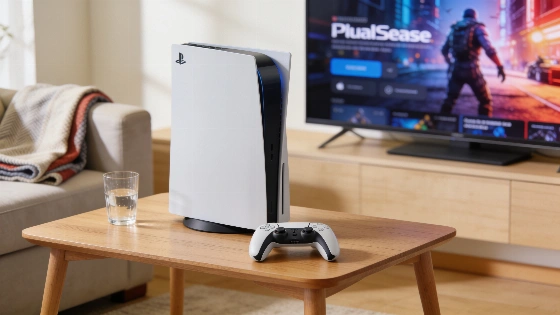
Sony has reaffirmed its plan to discontinue physical PlayStation game discs from January 2028, despite ongoing criticism from players and industry groups concerned about game preservation and consumer choice
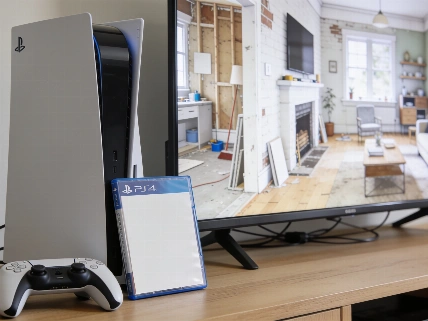
Sony has confirmed it will proceed with its plan to halt production of physical PlayStation game discs from January 2028, following sustained criticism from players, industry bodies and advocates of physical media. The company addressed the issue during its latest investor Q&A, making clear that the decision is final for now, even as debate continues over the future of game ownership and preservation.
Official Position and Community Response
The announcement, first made on 1 July 2026, has triggered a wave of online petitions and calls for boycotts, with many players voicing concerns about the loss of physical ownership and the long-term preservation of games. The UK's Digital Entertainment and Retail Association described Sony's move as prioritising corporate convenience over consumer choice. Despite this, Sony's chief financial officer Lin Tao reiterated during the Q&A that the company intends to move forward, citing the ongoing shift towards digital content across the entertainment industry.
Physical media supporters have organised campaigns, including a proposed week-long PlayStation boycott in August, aiming to pressure Sony to reconsider. However, Sony maintains that the transition reflects broader consumer trends and is not unique to PlayStation. The company has acknowledged the strong views expressed by the community but has not indicated any willingness to reverse course.
Market Trends and Sales Data
Sony's decision is underpinned by clear sales data showing a dramatic decline in physical game purchases. According to Circana's Mat Piscatella, only seven PlayStation titles sold more than 100,000 physical copies in the US during the first half of 2026, with just two games surpassing 10,000 units in a single week. This shift is consistent with a broader industry trend: digital sales accounted for nearly 80% of PlayStation full-game purchases in 2025, compared to just 13% in 2013.
Industry analysts suggest that even large-scale subscription cancellations or boycotts are unlikely to change Sony's position. Dr. Serkan Toto of Kantan Games noted that a hypothetical loss of 500,000 PlayStation Plus subscribers would represent only 1% of the service's user base, making it an insufficient lever for reversing the decision. Piers Harding-Rolls at Ampere highlighted that console gaming is the last major holdout for physical media, but the purchasing habits of players have shifted decisively towards digital formats.
Business Rationale and Player Impact
For Sony, the move to digital-only releases is not just about following consumer behaviour-it also has significant financial implications. The company retains a much larger share of revenue from digital sales compared to physical copies, where manufacturing and retailer cuts reduce margins. For first-party PlayStation games, Sony keeps around 65% of the revenue from a physical sale, but 100% from a digital sale on the PlayStation Store. Third-party titles also yield higher margins digitally, with Sony taking a 30% cut of each sale.
While the transition will not affect games released before January 2028, all new PlayStation titles after that date will be available exclusively in digital format. This has raised concerns about the ability to collect, lend, or resell games, as well as the long-term accessibility of titles if digital storefronts change or close. Some analysts, such as Robin Zhu at Bernstein, argue that the shift is a direct result of player purchasing patterns, suggesting that greater support for physical releases in recent years might have led to a different outcome.
Preservation, Ownership and the Digital Future
The end of physical disc production for PlayStation marks a significant turning point for game preservation and ownership. While Sony has acknowledged the emotional connection many players have to physical games, the company has not detailed any concrete plans for digital preservation or alternative ownership models. The debate over digital versus physical access is likely to intensify as the 2028 deadline approaches, especially among collectors and those concerned about the long-term availability of games.
For further context on how industry decisions can affect player experience and preservation, see NGB's coverage of how music influences shaped the Resident Evil remake series in this related article.
Digital rights management (DRM) is central to the discussion around digital-only game releases. DRM systems are designed to control how digital games are accessed, shared and preserved, often tying purchases to specific accounts or platforms. While DRM can help prevent unauthorised copying, it can also limit players' ability to access their games if servers are shut down or accounts are lost. As the industry moves away from physical media, the role of DRM in shaping long-term game ownership and preservation will become increasingly important for both players and developers.