
Former PlayStation chief Shawn Layden says Sony's plan to stop making discs for new PlayStation games in January 2028 will hurt the brand and turn game ownership into a question of digital access.
Sony plans to stop making PlayStation discs for new games in January 2028. Former PlayStation chief Shawn Layden says the move will hurt the brand. It removes physical collecting from the platform's future and leaves players buying access to digital software instead of a resellable object.
Layden changes his view
Layden once reached the opposite conclusion. In February 2025, he said Sony would not abandon discs because PlayStation operates in markets where physical retail still matters. Sony's announcement on July 1, 2026 proved him wrong. The company confirmed that it will end disc production for new releases from January 2028 onwards.
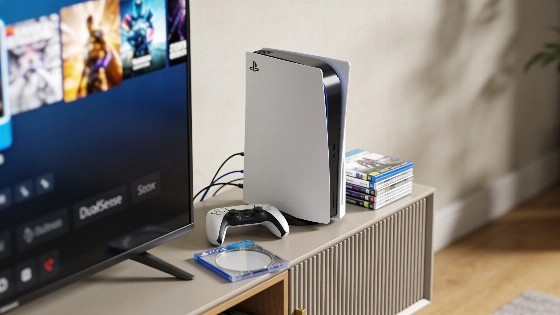
The change is narrower than an immediate end to every physical PlayStation product. Already released and previously announced disc editions are not expected to be affected. New games may still appear in physical retail packaging after the cutoff, but the package would contain a download code instead of a game disc.
That means the policy targets disc-based releases, not necessarily all retail distribution. New software would otherwise be delivered through the PlayStation Store or through codes sold in shops.
Layden left Sony in 2019 after a 32-year career. He led SIE America as CEO and served as Chairman of SIE Worldwide Studios. Speaking on The Expansion Pass podcast, he said he had no access to Sony's internal financial calculations.
His comments are an outside assessment of the consumer and reputational cost. They do not explain how Sony reached the decision. The podcast is the primary source for Layden's remarks, while his former executive role provides context rather than evidence of Sony's internal reasoning.
Why collectors still matter
Digital downloads are more convenient than visiting a shop or changing a disc. Convenience is not every buyer's priority, though. Layden estimates that roughly 80% of players prefer digital downloads, while about 20% buy physical copies.
His point is that this minority still matters. It includes committed players who collect games, buy duplicate copies and want to display or preserve what they own.
The distinction goes to the heart of PlayStation's identity. A disc can be collected, traded or sold. A digital purchase is tied to access under a licence.
Layden's concern is that removing the physical option makes the ownership question impossible to avoid. Customers may still possess a game in everyday terms, but the platform's legal and commercial structure treats the software as licensed rather than sold.
Sony's financial calculation
Sony has not provided the financial details behind the policy in the supplied material. Layden assumes the decision followed a detailed cost and profit analysis, but he also says he has not seen the figures.
The financial reason remains unverified here. The manufacturing change itself is an announced Sony policy.
The timing is clear. Disc production is scheduled to stop in January 2028. The source links the fully discless direction to Sony's future PlayStation consoles, starting with the PS6.
The announcement triggered a huge online backlash. Sony has so far stayed committed to the policy. The available descriptions do not establish regional exceptions, final physical stock levels or special arrangements for retailers and collectors before the cutoff. They do indicate that retail download codes may remain an option.
Access instead of ownership
The ownership issue predates the 2028 deadline. In a proposed class action, Sony is already arguing that reasonable customers understand software is licensed rather than sold.
What changes is how visible that distinction becomes when the physical alternative disappears. Physical copies support collecting, preservation and resale in ways digital access does not. Digital purchases depend on the platform's licensing and distribution systems.
Sony may have a defensible financial case. Layden's argument is that the company is trading a tangible part of PlayStation's identity for a more controlled digital model. That is a real brand cost, not a minor packaging change.
People often use digital ownership and digital licensing as if they mean the same thing. They do not. A licence gives permission to use software under defined terms. A physical copy can retain value outside a storefront account.
That difference is why Sony's move affects collectors even when digital downloads remain easier for many players. The January 2028 cutoff is a platform-policy decision, not just a manufacturing adjustment.