
The upcoming Resident Evil movie will feature the Umbrella Corporation and a reworked T-Virus, with writer-director Zach Cregger confirming new behavioural changes and creature designs not present in the original games
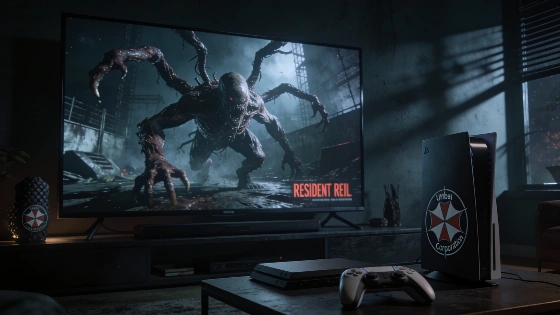
Resident Evil's latest cinematic outing is not content to simply recycle the familiar. Writer-director Zach Cregger has confirmed that the film's T-Virus will manifest in ways never seen in Capcom's long-running game series, introducing new forms of infection and unpredictable enemy behaviour that go beyond the established canon. This creative decision is already visible in the film's trailer, which teases mutated creatures and unsettling transformations that diverge sharply from the franchise's usual zombie fare.
New Virus Effects and Creature Design
Cregger's approach to the T-Virus is not a wholesale rewrite, but a deliberate expansion. While the Umbrella Corporation and the core concept of viral outbreak remain intact, the film introduces unique behavioural changes in infected characters. These changes are not simply cosmetic; they affect how enemies move, attack and interact with their environment. One standout example is a creature described as a "giant human tumbleweed", constructed using physical performers from Cirque du Soleil to achieve a rolling, unpredictable movement pattern. This is a marked departure from the more humanoid mutations familiar to Resident Evil players.
The director has chosen to keep some of the film's most distinctive monsters under wraps, citing spoilers, but the available footage suggests a willingness to experiment with the franchise's biological horror. The result is a set of adversaries that may surprise even long-time fans, with new threats that cannot be anticipated by knowledge of the games alone.
Trailer Evidence and Release Timing
The official trailer, released ahead of the film's 18 September cinema debut, offers only brief glimpses of these new mutations. Alongside recognisable zombies, viewers can spot fleeting shots of more grotesque and unconventional creatures, hinting at the expanded range of viral effects. The film's marketing has avoided direct references to iconic game protagonists such as Leon, instead focusing on the broader threat posed by Umbrella's experiments.
Resident Evil's release is less than two weeks away, with early box office tracking indicating strong interest. The film draws inspiration from Resident Evil 4 and Resident Evil 7, but does not adapt their storylines directly. Instead, it uses their tone and atmosphere as a foundation for its own narrative, aiming to deliver a fresh experience for both newcomers and established fans.
Franchise Context and Player Expectations
Capcom's Resident Evil series has a long history of viral mutations, but each mainline game has established clear rules for how the T-Virus operates. By introducing new behavioural effects, Cregger's film risks alienating purists, yet it also opens the door to creative reinterpretation. The director has acknowledged that some fans may be frustrated by the absence of familiar characters, but insists that the film's approach will still resonate with the core themes of the franchise.
This willingness to diverge from established lore is not unique to Resident Evil. Other franchises have faced similar debates over creative licence, as seen in the recent reported earlier controversy surrounding The Blood of Dawnwalker's modding community. In both cases, the tension lies between respecting tradition and pushing the boundaries of what a franchise can be.
What Remains Unconfirmed
Despite the marketing push, many details about the film's new creatures and the full extent of the T-Virus's effects remain undisclosed. Cregger has been careful to avoid revealing specific plot points or the identities of certain monsters, leaving much to be discovered in the cinema. It is also unclear how closely the film's narrative will align with any particular game entry, or whether it will establish its own continuity within the Resident Evil universe.
For players and viewers, the key question is whether these changes will enhance the sense of horror and unpredictability that defines the series, or simply serve as a distraction from what made the games memorable. The answer will only become clear once the film is released and its new vision for the T-Virus is put to the test.
Understanding the significance of these changes requires a grasp of how the T-Virus has functioned in previous Resident Evil games. Traditionally, the virus transforms humans into zombies and other bio-organic weapons with predictable patterns of aggression and mutation. By altering these rules, the film introduces uncertainty into enemy behaviour, which can heighten tension but also risks undermining established expectations. For long-time fans, the success of this approach will depend on whether the new mutations feel like a natural evolution or an arbitrary departure from the franchise's core identity.