
The Pokémon Company has announced that facial recognition will become mandatory at official Pokémon card stores in Japan for all customers of elementary school age and above, aiming to address persistent scalping and security concerns
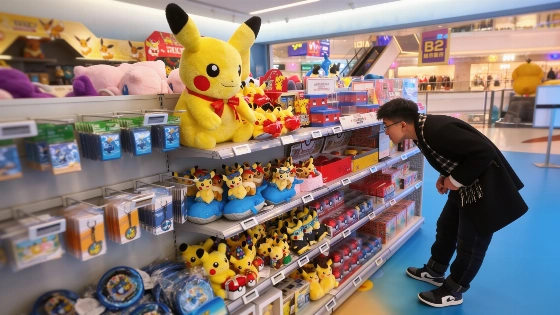
The Pokémon Company has confirmed that official Pokémon card stores in Japan will soon require facial recognition for entry, including for children from elementary school age upwards. This move is intended to address ongoing issues with scalping and theft, which have affected the Pokémon Trading Card Game's availability and security in recent years.
Mandatory Checks for Most Customers
According to the company's official Japanese website, the new system will apply to all adult customers and children of elementary school age or older. Pre-school children are exempt from facial recognition but must be accompanied by a guardian and cannot enter the store alone. The company states that these measures are designed to create a safer shopping environment and to deter criminal activity linked to the high demand for Pokémon cards.
Entry will be limited to one visit per person per day, enforced by the facial recognition system. Attempts to re-enter on the same day will be denied, and staff may intervene if multiple entry attempts are detected. The company has not detailed what further action, if any, would be taken against repeat offenders beyond denying entry and staff intervention.
Background: Scalping and Security Issues
Pokémon cards have become a frequent target for scalpers and thieves, with new releases often selling out rapidly and rare cards commanding high resale prices. Despite printing approximately 10 billion cards last year, The Pokémon Company has struggled to meet demand, leading to shortages and increased criminal activity around card sales. Incidents have included thefts from both Japanese and international stores, with some cases involving significant sums and even armed robbery.
In Japan, the popularity of Pokémon card promotions has led to disputes in fast food outlets, while in the United States, trading card stores have reported a series of high-profile thefts. The company's decision to implement facial recognition follows earlier comments from Nintendo's president, who indicated that measures would be taken to address the ongoing shortages and scalping, though specifics were not provided at the time.
Implementation and Remaining Questions
The facial recognition system will be rolled out at official Pokémon stores in Japan, but the company has not confirmed whether the technology will be extended to other retailers or international locations. Details on data handling, privacy safeguards, and the technical provider of the system have not been disclosed. It is also unclear how the system will handle edge cases, such as identical twins or customers with facial coverings.
While the company's announcement focuses on crime prevention and fair access, it remains to be seen whether these measures will significantly reduce scalping or simply shift the problem elsewhere. The effectiveness of facial recognition in retail environments is still a subject of debate, particularly regarding privacy and the potential for false positives or negatives.
What This Means for Players
For players and collectors in Japan, the new system will introduce an additional step when visiting official Pokémon card stores, with the aim of making card purchases fairer and safer. However, the requirement for facial recognition may raise concerns about privacy and data security, especially for families with children. The company's decision reflects the scale of the scalping problem and the challenges of managing demand for highly sought-after trading cards.
At present, there is no indication that similar measures will be introduced outside Japan, and the long-term impact on the secondary market remains uncertain. Players should expect stricter entry controls at official stores, but the broader consequences for card availability and resale activity will only become clear over time.
Facial recognition technology in retail is designed to identify individuals by analysing unique facial features, allowing businesses to enforce entry limits or detect repeat visitors. While it can help prevent certain types of fraud or abuse, its use raises important questions about privacy, data retention, and the risk of misidentification. In gaming and collectibles retail, such systems are rare, and their effectiveness depends on careful implementation and transparent communication with customers.