
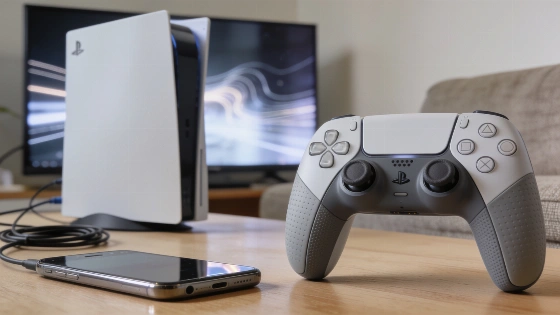
A Sony patent describes a system that could let a DualSense pass payment details from a phone to a PlayStation console for digital purchases and in-app content.
A PlayStation controller could become the link between a player's phone and the console checkout system under a newly published Sony patent. The proposal describes controllers such as the DualSense passing payment details to a PlayStation console for digital game credits and in-app purchases. Users would not need to enter those details manually on the console.
A controller as a payment relay
The patent does not show a finished feature. It does not confirm that Sony will add the system to a future controller. It does outline a design that would make the controller part of the payment process instead of leaving the console to handle every connection with the player's phone.
The document is identified as U.S. patent application US 2026/0273403 A1. Sony Interactive Entertainment Inc. filed it on March 17, 2025, and it was published on September 17, 2026. According to the published application, a phone or another electronic device would provide payment method information linked to the player through the controller. The controller would then send that information to the console. A purchase could begin with a phone nearby while the player continues using the PlayStation interface on the television.
The concept covers more than full game purchases. The patent refers to digital content credits, in-game purchases and other transactions handled through the PlayStation ecosystem. It also mentions payment method information, digital wallet identification information and crypto wallet identification information. That puts the proposal alongside Sony's wider effort to keep spending inside its own storefront and account structure.
How the system would work
The connection would not rely on one detection method. The patent lists NFC, Bluetooth and physical contact as possible ways for the controller to detect the device holding the payment information. It would then pass the relevant data to the console.
The process would include feedback for the player. The controller could use haptic feedback, audio, light or a combination of those signals to show that it had detected the relevant device. In practice, the DualSense could become a physical confirmation point between the phone and the console. The transaction itself would still be tied to the PlayStation account and digital storefront.
A key detail is the claim that the phone could send payment information to the console wirelessly without user input. That could remove several steps from a purchase. It may also reduce the friction that leads some digital transactions to be abandoned. Players who do not want to type payment details with a console interface could get a simpler way to pay.
Digital strategy and security
The timing matters. PlayStation is expected to move further toward an all-digital future from 2028, despite opposition from gamers who still value physical releases. Rising hardware costs are also part of the business pressure described in the source material. A payment relay would give Sony another way to make money from its existing user base while keeping purchases inside an ecosystem where digital games cannot be resold.
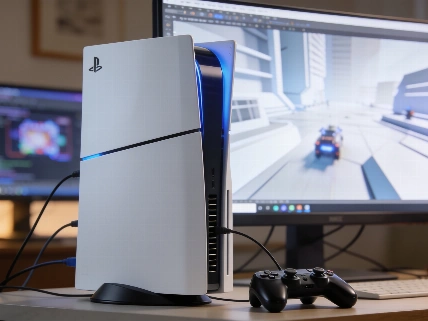
Physical distribution has not disappeared from the platform conversation. A separate NGB report on a disc-based PlayStation 5 edition offers useful PlayStation 5 context. This patent points in the opposite commercial direction. The difference matters to players because a digital purchase is tied to an account and storefront. It does not work like a disc that can be passed to another owner.
Security may be another reason for the proposal. PlayStation Network already stores payment information, but it has faced account-hacking problems. A simpler relay-based purchase process could reduce the amount of payment data entered on the console. It may also help prevent abandoned transactions. The patent does not establish that the system would eliminate fraud or solve account security problems.
What the patent does not prove
Sony filed the patent application on March 17, 2025, and it was published on September 17, 2026. Those dates show that the document exists and was published. They do not set a launch schedule. The related patent-record entry lists Sony Interactive Entertainment Inc.'s application with 20 claims and a "Docketed New Case - Ready for Examination" status as of March 27, 2025.
That confirms the material describes a patent application, not a ready-to-use feature. There is no confirmed controller release date. There is no confirmed PlayStation 6 payment feature. There is no guarantee that the proposed system will reach PlayStation 5 users.
Patent documents show a possible technical direction. They do not prove that a product will ship. Sony may adapt the design, leave it unused or pursue only parts of it. The document also does not say how players would authorize individual purchases, how the system would handle shared consoles or which phones and payment services would be supported. No official public statement from Sony confirming implementation in future controllers has been identified in the available independent material.
That uncertainty should limit the more dramatic reading of the filing. The narrower point is clear: Sony is exploring a way to make digital spending quicker and more closely tied to its hardware as its platform strategy relies less on physical distribution. The convenience could be real. So could the trade-off if access becomes more dependent on one account-based marketplace.
A payment relay is not the same as turning a controller into a bank card. In this proposal, the phone stores or supplies the payment information. The controller detects that device and passes the information to the console through NFC, Bluetooth or physical contact. That distinction matters because the published U.S. patent application describes a possible connection method, not an independently confirmed security system. Sony is investigating hardware that could make digital purchases easier at the same time as resale-free access becomes a larger part of the PlayStation model.