
Sony's PlayStation Network suffered a significant outage, leaving players unable to access digital games and services for several hours before full functionality was restored across all platforms
Sony's PlayStation Network (PSN) experienced a widespread outage earlier today, temporarily preventing users from accessing digital games and core online services across PlayStation platforms. The disruption, which lasted several hours, affected players globally and reignited debate over the risks of an all-digital future for console gaming.
Service Interruption and Recovery
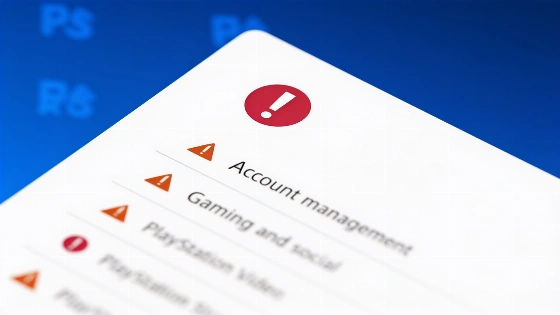
The outage began in the morning, with reports of PSN services becoming unavailable from around 8:30am Eastern. Sony's official status page confirmed that account management, gaming and social features, PlayStation Store, PlayStation Video, and PlayStation Direct were all impacted. While some users initially regained partial access, Sony acknowledged ongoing difficulties with PlayStation Store purchases and stated that a full resolution was in progress.
By 12:10pm Pacific Time, Sony updated its service status to confirm that all PlayStation Network services were operational. Players reported restored access to their digital libraries and online features, though Sony did not provide a detailed explanation for the cause of the outage. The company's communication focused on thanking users for their patience and assuring them that technical teams had addressed the disruption.
Underlying Causes and Wider Impact
The timing of the PSN outage coincided with a separate alert from Amazon Web Services, which reported connectivity issues affecting multiple servers in the US-WEST-2 region. Although AWS marked its incident as resolved within an hour, PlayStation users continued to experience problems for several hours afterwards, including in regions outside the United States. The outage also disrupted the open beta for Marvel Tōkon: Fighting Souls, a Sony-published console exclusive, with the game's developer acknowledging issues specific to PS5 access during the downtime.
At its peak, the outage affected all major PlayStation platforms, including PS Vita, PS3, PS4, and PS5. Sony's status page warned that users might encounter difficulties launching games, apps, or network features, and the company reiterated its commitment to resolving the situation as quickly as possible. The incident highlighted the vulnerability of digital-only access, especially as more players rely on online authentication to play purchased content.
Player Reaction and Ongoing Debate
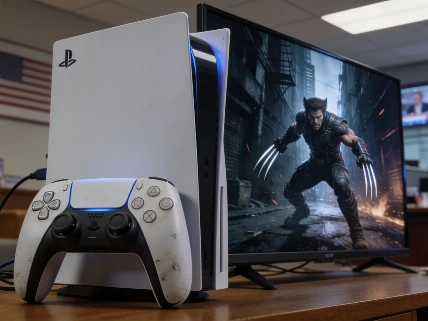
The outage has intensified ongoing discussion about the future of physical media on PlayStation. Just weeks after Sony's announcement that it will discontinue physical PS5 disc releases from January 2028, many players pointed to the PSN disruption as evidence of the risks associated with an all-digital ecosystem. The debate has been particularly visible in response to recent PlayStation announcements, including the latest Marvel's Wolverine trailer, which drew further criticism over the disc policy-a reaction explored in detail in our coverage of the Marvel's Wolverine trailer backlash.
While Sony has not indicated any plans to reverse its decision on physical media, the outage has fuelled calls from some players and industry commentators to reconsider the balance between digital convenience and long-term access. The incident also prompted renewed interest in petitions and social media campaigns advocating for continued support of physical game ownership.
What Remains Unclear
Despite the restoration of PSN services, Sony has yet to clarify the root cause of the outage or whether any specific vulnerabilities were addressed as part of the recovery. There is no indication that user data or account security was compromised during the incident. The company has committed to providing further updates if new information emerges, but for now, the focus remains on maintaining stable access for all PlayStation users.
As digital distribution becomes increasingly central to console gaming, outages like this highlight the importance of robust server infrastructure and transparent communication. Players are likely to continue scrutinising the reliability of digital platforms, especially as the industry moves towards a future with fewer physical alternatives.
Understanding digital rights management (DRM) is essential to grasping the impact of outages like this. DRM systems often require online authentication to verify game ownership, meaning that even single-player digital titles may become inaccessible if platform servers go offline. While DRM is intended to prevent unauthorised copying and sharing, it can also restrict legitimate access during technical failures. As more publishers and platform holders shift towards digital-only releases, the reliability and design of DRM systems will remain a central concern for players who value uninterrupted access to their purchased games.