
The official release of Palworld TCG has led to a rapid spike in card prices, with scalpers reselling rare cards and cases for far above retail as Pocketpair's new trading card game enters the market
The arrival of the Palworld TCG has brought a wave of intense demand, with the first set, Dawn of Palpagos, launching globally on 30 July 2026. While many players are eager to collect their favourite Pals, the secondary market has quickly become dominated by resellers seeking to capitalise on the game's popularity. This rapid escalation in prices has drawn comparisons to the early days of the Pokémon TCG, where rare cards and sealed products became highly sought after by collectors and speculators alike.
Launch Day Demand and Price Inflation
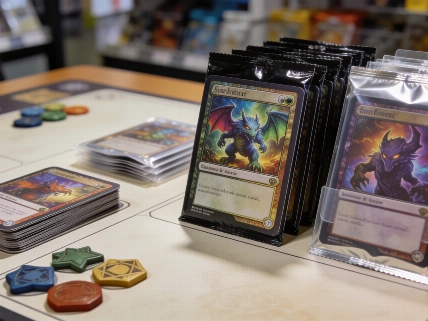
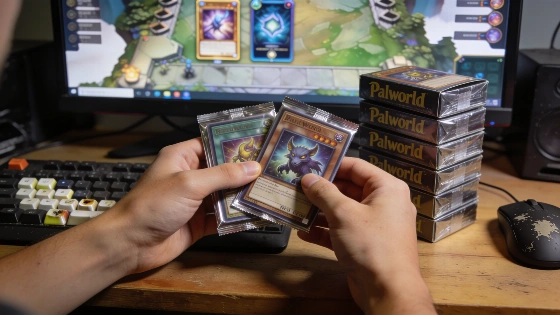
Pocketpair's partnership with Bushiroad has seen the Palworld TCG debut with a simultaneous release in English, Japanese, and Simplified Chinese. Retailers initially offered booster box cases-each containing 12 boxes with 12 packs apiece-at a recommended price of $499.99. However, within days of launch, eBay listings for these cases began closing at around $1,800, with some master cases (three regular cases) reportedly selling for nearly $6,000. Individual cards, especially rare pulls, have also seen dramatic mark-ups, with the Cattiva Gold Soul Card apparently selling for just under $4,000 before the official release date.
Some buyers who received their shipments early listed cards and cases ahead of the street date, further fuelling the speculative rush. The Jormuntide Ignis card, another rare find, was sold for $1,300 even before the game's official launch. While these figures have since moderated, with Gold Cattiva cards now trading closer to $1,000, the initial surge highlights the volatility and unpredictability of the trading card market at launch.
Scalping and Collector Frustration
The rapid escalation in prices has left many genuine collectors frustrated, as scalpers dominate online marketplaces. This pattern is familiar to those who have followed the Pokémon TCG, where limited supply and high demand have repeatedly led to inflated prices and accessibility issues for ordinary players. The Palworld TCG's launch has mirrored this trend, with some cards and sealed products becoming unattainable for those unwilling to pay secondary-market premiums.
Retailers and developers have attempted to address similar issues in the past, with measures such as facial recognition systems in Japanese card shops to deter bulk buying and reselling. However, the global nature of the Palworld TCG's release and the speed at which listings appeared online have made it difficult to enforce such controls. The situation has reignited debate about how best to balance accessibility for players with the realities of a highly speculative collector market.
Official Response and Future Sets
Pocketpair reported that 3.5 million packs were ordered ahead of launch, indicating substantial interest in the new TCG. The Dawn of Palpagos set features over 50 Pals with original illustrations, and a second booster set, Legends Awaken, is scheduled for release in October 2026. The company has not yet announced any specific measures to address scalping or secondary-market inflation, but the scale of the launch suggests ongoing demand and potential for further price volatility as new sets arrive.
For context, the trading card market has seen similar surges in the past, with other major releases-such as the spike in player numbers following the debut of The Odyssey film for Assassin's Creed Odyssey-demonstrating how external events and new product launches can dramatically affect demand and pricing. Readers interested in how major releases can impact player behaviour and secondary markets may find further insight in this analysis of Assassin's Creed Odyssey's post-film player surge.
What Remains Uncertain
It is not yet clear how sustainable the current price levels will be, or whether additional print runs will be introduced to meet demand. The long-term value of rare Palworld TCG cards will depend on a combination of player interest, collector demand, and the publisher's willingness to address supply constraints. For now, the market remains highly active, with both collectors and speculators watching closely as the game's ecosystem develops.
Understanding the dynamics of trading card game launches is essential for players and collectors alike. Scalping refers to the practice of buying up limited products at retail and reselling them at a significant markup, often exploiting supply shortages and high demand. This behaviour can distort the market, making it difficult for ordinary players to access new releases at fair prices. While some publishers have experimented with anti-scalping measures, the effectiveness of these interventions varies, especially in a global online marketplace where enforcement is challenging and demand can outstrip supply within hours of launch.