

A new report suggests Halo: Campaign Evolved's development was hampered by technical and management challenges, leading to the cancellation of a multiplayer project and significant changes to the remake's features
Halo: Campaign Evolved, the recent remake of the original Halo campaign, reportedly encountered significant development difficulties that shaped both its final form and the fate of other projects at Halo Studios. According to a report from Rebs Gaming, a well-known Halo insider, the remake's production was marked by technical hurdles, shifting priorities, and resource reallocation that ultimately led to the cancellation of a planned multiplayer title.
Engine Transition and Technical Challenges
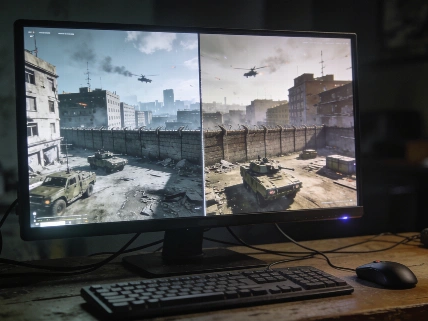
One of the central issues stemmed from Halo Studios' decision to rebuild the classic campaign using Unreal Engine 5, moving away from the original Blam engine. This transition required extensive reworking of assets and systems, as the original game's design was not compatible with modern features such as sprinting and four-player co-op. An external studio, Abstraction, was brought in during 2023 to adapt legacy content for the new engine and implement these features. However, the process proved more complex than anticipated, with the team reportedly discovering that assets could not simply be ported and instead needed to be rebuilt from scratch.
Abstraction's involvement was cut short after Halo Studios imposed aggressive deadlines and high expectations on the project. The studio's work was ultimately discarded and replaced in a rush, which is believed to have contributed to bugs and artificial intelligence issues in the final release. Despite their efforts, Abstraction did not receive a formal credit, though individual staff were acknowledged in the special thanks section.
Resource Strain and Project Cancellation
The report indicates that ongoing mismanagement and technical setbacks forced Halo Studios to divert staff and resources from other projects to ensure Halo: Campaign Evolved shipped on time. This reallocation led to the cancellation of a new multiplayer Halo project, as the campaign remake's demands took priority. In the final year of development, the team reportedly faced a period of intense crunch to meet the release schedule.
Plans for real-time cutscenes, which would have allowed players to see their custom armour and weapons during story moments, were also abandoned. The external team responsible for cinematics struggled to deliver on time, resulting in the feature being dropped late in development.
Reception and Remaining Uncertainty
Despite these challenges, Halo: Campaign Evolved has been received relatively positively, though some players have noted lingering technical issues and missing features. Sales figures have not yet been disclosed, but more information is expected in the coming weeks. The game's ending teases a potential Halo 2 remake, but it remains to be seen whether future projects will avoid similar pitfalls.
Development struggles are not unique to Halo, as seen when other major franchises have faced setbacks or shifting priorities. For example, Ubisoft's approach to leveraging renewed interest in Assassin's Creed Odyssey after a film release demonstrates how studios often reallocate resources and adjust plans in response to changing circumstances, as discussed in this recent analysis of Assassin's Creed Odyssey's player surge.
When a game is rebuilt on a new engine, as with Halo: Campaign Evolved's move to Unreal Engine 5, developers must often reconstruct assets and systems from the ground up. This process is far more involved than a simple remaster, as it requires adapting legacy gameplay to new technology, reworking level design, and ensuring new features integrate smoothly. Such transitions can introduce technical risks, increase development time, and force difficult decisions about which features to prioritise or cut.