
Newly surfaced datamined content suggests Call of Duty: World at War once aimed for a much greater emphasis on vehicle combat in multiplayer, including customisable tanks and dedicated maps, before these features were scaled back or removed
Call of Duty: World at War, released in 2008, is remembered for its gritty World War II setting and the introduction of the now-iconic Zombies mode. However, recent datamining has uncovered evidence that the game's multiplayer could have looked very different, with a far greater focus on vehicle combat than players ever experienced at launch.
Datamined Features and Abandoned Ambitions
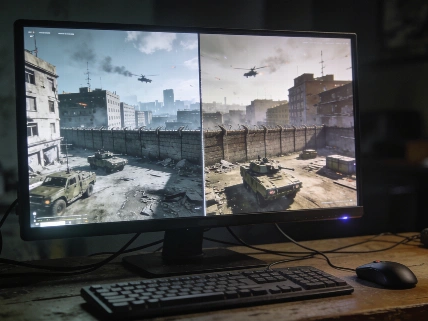
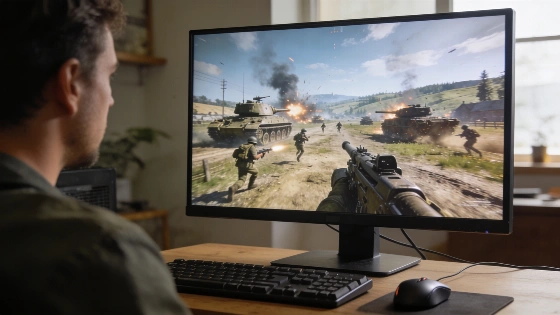
According to findings shared by ForwardLeaks and @TheSpoopatron, early builds of Call of Duty: World at War included plans for players to earn tanks as a reward for achieving a seven-kill streak in multiplayer. These tanks were not simply static additions; the datamined content points to a system where tanks could be customised with unique perks, alternative weapons such as flamethrowers, and even speed modifications. The intention appears to have been to integrate vehicles as a core part of the multiplayer progression, rather than as rare map features.
To support this expanded vehicle gameplay, additional maps were reportedly designed specifically for tank combat. Map names such as Railway, Sandtrap, Village, and Zoo have surfaced in the datamined material, though not all of these made it into the final release. Ultimately, only four multiplayer maps in the shipped game featured tanks, and the vehicle mechanics were far less central than originally envisioned.
Development Challenges and Feature Cuts
The reasons behind the removal or reduction of these vehicle systems remain unconfirmed. While Treyarch had a two-year development cycle for World at War, the project reportedly underwent significant revisions and restructuring. It is possible that the vehicle mechanics did not meet internal expectations for balance or enjoyment, or that technical and time constraints forced the studio to scale back the feature set before launch.
World at War's rushed development has been cited in community discussions as a factor in the game's final shape. The decision to limit tanks to a handful of maps may have been a pragmatic response to these pressures, ensuring the core multiplayer experience remained stable and focused. This approach echoes the series' later direction, where vehicles became more prominent only in specific large-scale modes, such as Ground War in the Modern Warfare sub-series.
Franchise Context and Player Impact
The Call of Duty franchise has experimented with vehicles in multiplayer before, most notably in Call of Duty 3 and World at War itself, but never made them a central pillar of standard competitive play. The datamined plans suggest Treyarch considered a more ambitious approach, potentially altering the series' multiplayer identity. Had these features shipped, the role of vehicles in subsequent Call of Duty titles might have evolved differently.
Interest in cut and reworked content from classic Call of Duty games remains high, especially as older entries continue to attract players. For example, the enduring appeal of inventive mechanics in games like Grand Theft Auto: Chinatown Wars is explored in NGB's analysis of how mature open-world design set that title apart. The appetite for lost or altered features highlights how development decisions can shape the long-term legacy of a franchise.
What Remains Unknown
While the datamined material provides a glimpse into what might have been, there is no official comment from Treyarch regarding the precise reasons for the cuts or whether any of these vehicle systems were ever close to completion. It is also unclear how the planned tank killstreaks and customisation would have affected multiplayer balance, map flow, or player satisfaction. As with many features discovered through datamining, the evidence is compelling but incomplete, and the full story behind these design choices may never be fully documented.
Datamining is the process of extracting hidden or unused content from a game's files, often revealing features that were planned but ultimately cut or changed before release. While such discoveries can offer valuable insight into development priorities and design challenges, they rarely provide the full context behind why features were removed. Players should treat datamined findings as evidence of intent rather than confirmation of what was ever guaranteed to appear in the final game.