
Clint Hocking, known for Watch Dogs and Splinter Cell, has compared leading large-scale Ubisoft projects to dodging chaos, following his exit from the Assassin's Creed Hexe team earlier this year
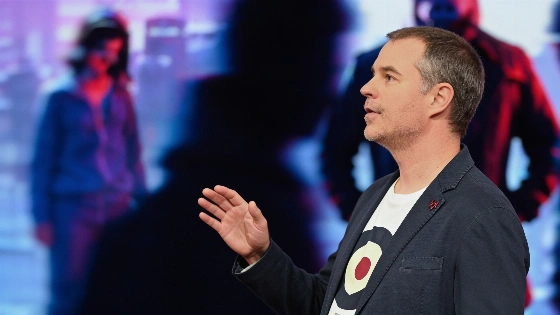
Clint Hocking, a veteran director behind Watch Dogs and Splinter Cell, has offered a candid perspective on the realities of large-scale game development at Ubisoft, likening the process to navigating a barrage of unpredictable obstacles. His comments come just months after his abrupt departure from the Assassin's Creed Hexe project, where he had been serving as creative director.
Development at Scale
Hocking reflected on the shift from smaller, tightly knit teams to sprawling, multi-studio productions. He described how, during the development of Splinter Cell: Chaos Theory, he could directly collaborate with individual team members, offering immediate feedback and creative input. In contrast, his experience on Watch Dogs: Legion and Assassin's Creed Hexe involved managing teams numbering in the hundreds or even thousands, with communication often filtered through layers of producers and project managers.
He characterised the process as increasingly impersonal, with creative direction delivered through meetings and digital task trackers rather than face-to-face discussion. Hocking suggested that this scale can make it difficult for directors to maintain a clear creative vision, as feedback and iteration cycles become slower and more fragmented.
Impact on Assassin's Creed Hexe
Hocking's departure from Ubisoft occurred while he was leading development on Assassin's Creed Hexe, the next major entry in the franchise. According to industry reporting, the change was part of a broader reshuffle affecting the Assassin's Creed brand. Despite the leadership transition, Assassin's Creed Hexe is still reportedly targeting a 2027 release window, with Jean Guesdon, previously Head of Content for the series, now overseeing the project.
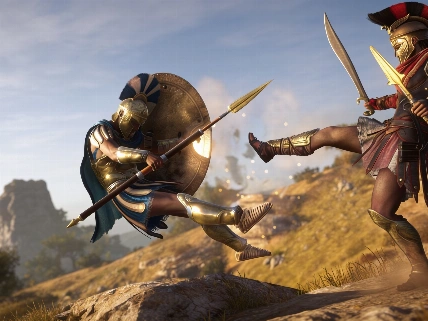
Assassin's Creed Hexe is expected to continue Ubisoft's trend of large-scale, multi-studio collaboration, a model that has defined recent entries in the series. No new gameplay footage or detailed feature breakdowns have been released since Hocking's exit, and the project remains in active development at Ubisoft Montreal.
Career Context and Studio Structure
Clint Hocking first joined Ubisoft in the early 2000s, contributing as a designer and scriptwriter on Tom Clancy's Splinter Cell before taking on creative director roles for Splinter Cell: Chaos Theory and Far Cry 2. After a period working at LucasArts, Valve, and Amazon, he returned to Ubisoft to direct Watch Dogs: Legion, which launched in 2020 to a mixed critical response. Legion remains his only shipped title since Far Cry 2.
Hocking's recent comments highlight the challenges of directing games at the scale now typical for Ubisoft's flagship franchises. He described the experience as akin to dodging 'flaming barrels'-a reference to the classic Donkey Kong arcade game-underscoring the unpredictable and often overwhelming nature of modern AAA production pipelines.
What Remains Uncertain
While Assassin's Creed Hexe is still officially in development, many details about the game's direction, setting, and gameplay systems remain under wraps. Ubisoft has not provided updated footage or a revised feature list since the leadership change, and it is unclear how Hocking's departure may affect the final product. The studio has not announced any changes to the planned release window, but large-scale projects of this type are often subject to further delays or restructuring.
For players, the main consequence is that Assassin's Creed Hexe continues under new creative leadership, with the franchise's established multi-studio approach remaining in place. The impact of these changes will likely become clearer as Ubisoft shares more concrete information in the lead-up to the game's eventual release.
Modern AAA game development, especially at publishers like Ubisoft, often involves teams spread across multiple studios and countries, with hundreds or even thousands of contributors. This structure can enable ambitious projects but also introduces significant complexity, slowing decision-making and making it harder for creative leads to maintain direct oversight. As a result, iteration cycles can stretch over weeks or months, and creative feedback may be filtered through several layers before reaching the developers actually implementing changes. This dynamic is a defining feature of contemporary blockbuster game production.