
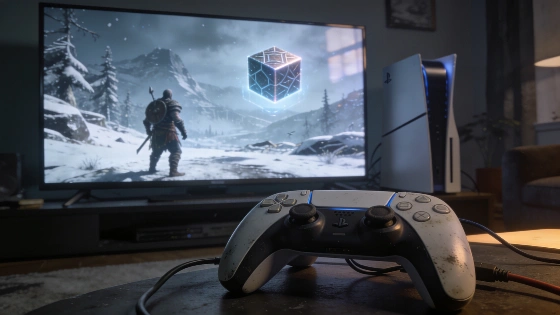
Bruce Straley cited God of War Laufey while criticising repetitive triple-A design, then apologised to Sony Santa Monica. He said the unreleased game was an example in a wider industry argument, not his target.
Bruce Straley has apologised to the God of War Laufey team after his criticism of triple-A design turned Sony Santa Monica's upcoming PlayStation 5 release into the story. He wanted to discuss the industry's reliance on familiar verbs and experiences. Naming an unreleased game made the point look like a direct attack.
The apology arrives
Straley said the developers did not deserve the negative attention caused by his remarks. He had been trying to discuss what he sees as serious harm to the games industry and possible ways to address it. He also accepted that mentioning Laufey was a mistake. That choice let the comment escape its wider context.
In the apology, Straley said he did not want to pull the Santa Monica Studio team into "needed and unneeded negative attention". He added that his words had been taken out of context and used as "clickbait". As reported by Video Games Chronicle and GamesRadar, he meant to discuss the wider condition of the triple-A market, not the developers of God of War Laufey.
That distinction matters. Straley did not accuse Sony Santa Monica of poor craftsmanship. His criticism separated the visual achievement of God of War Laufey from the experience he believed the game appeared to offer. In coverage of the Edge interview, PSU reported that Straley said "every pixel" of the game impressed him, even while describing modern triple-A games as "boring". His concern was about design, player actions and experiences rather than graphics.
The former Naughty Dog director's apology deals with the fallout. It does not erase his underlying concern. He still believes triple-A games need more room for new ideas, but now accepts that the God of War Laufey team became collateral damage in an argument it did not invite.
A wider industry argument
In the EDGE interview, Straley discussed his lack of excitement about current triple-A releases as part of a wider conversation involving several people. The participants offered possible solutions to the industry's problems. The exchange was not presented as a review of God of War Laufey or a judgement on its finished quality.
GamesRadar also described the remarks as part of a broader discussion about the lack of innovation in triple-A games. It was not a standalone assessment of Laufey. The game served as an illustration in an industry argument, not as the subject of a completed review or hands-on test.
Straley's view comes from direct experience. He was the Game Director of Uncharted 2, Uncharted 4 and The Last of Us, and left Naughty Dog nine years ago. He now works on an indie puzzle platformer titled Coven of the Chicken Foot. His career covers major PlayStation productions as well as a smaller independent project.
That contrast helps explain his focus. Triple-A design is often judged by its surface ambition: detailed environments, elaborate animation and expensive production values. Straley is looking at what lies beneath those achievements. Are players getting new ways to act and think, or more impressive versions of familiar formats?
The concern is not specific to Sony Santa Monica. A named game, though, creates a much sharper news story than a general discussion about design habits. That is why the apology became necessary.
Why Laufey took the hit
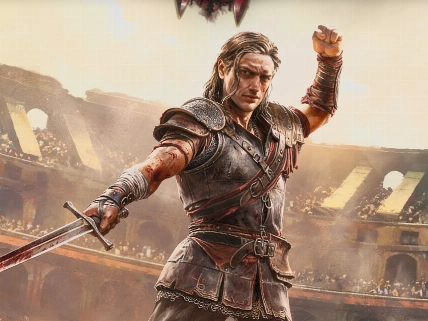
God of War Laufey was already tied to controversy in the source material because of its change from Kratos to Laufey as protagonist and the inclusion of a cosmic cube companion. Straley's comments created another unwanted point of attention. He had tried to discuss triple-A conventions, not the team's ability.
The timing also matters because the game has not reached players. There is no independent review, performance test or hands-on evidence here to show whether its combat, exploration or progression will feel repetitive. Straley's lack of excitement concerns the direction he sees across the triple-A space. It does not prove how God of War Laufey will play at launch.
The wider PlayStation context has also shifted around major projects. An earlier platform report showed how quickly publishing plans can become part of the story around an unreleased game. That report has no direct connection to Laufey. It does show why developers can face attention generated by surrounding industry narratives rather than verified gameplay evidence.
The fairest reading is narrower than the most dramatic one. Straley criticised a design trend, used God of War Laufey as his illustration and then acknowledged that the example unfairly redirected attention towards its developers.
At the time covered by the available reports, the public record contains Straley's apology. GameSpot noted that there were no independent reports of a reaction from Sony Santa Monica or an official statement from the studio. That silence does not show approval or disagreement. It means the confirmed public record is limited to Straley's clarification.
The confirmed release plan
God of War Laufey is scheduled to launch exclusively for Sony's PlayStation 5 consoles on 16 February 2027. The source provides no pricing, editions, gameplay footage, technical targets, performance modes or independent testing. None of those details can therefore be used to judge whether the game answers Straley's design criticism.
The timeline is simple. Straley left Naughty Dog nine years ago. God of War Laufey has a confirmed release date of 16 February 2027. Those are the concrete points around an argument that otherwise concerns creative direction rather than sales, frame rates or completed content.
For players, the useful conclusion is not that God of War Laufey has been dismissed by one of its creator's peers. The game has become a convenient example in a much larger dispute. The question is whether triple-A production delivers genuinely different interactions or increasingly polished versions of familiar ones.
That debate should be tested against the finished game, not an isolated interview excerpt. Straley was right to challenge the industry's creative habits, but he was wrong to put an unreleased team in the line of fire when he did not need to. His apology is justified. The underlying criticism still deserves attention: spectacular presentation can attract people, but only distinctive play can show whether a major production has moved beyond the habits that built it.
In game design, "verbs" means the actions a player repeatedly performs, such as attacking, climbing, aiming or solving puzzles. New rules and relationships can transform those actions even when a game's visual style looks familiar. Screenshots and production scale cannot settle Straley's criticism. The decisive evidence will be the range and depth of actions God of War Laufey gives players when it releases.