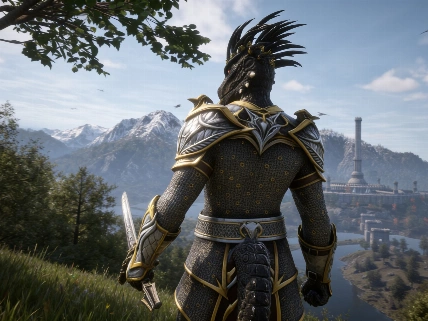

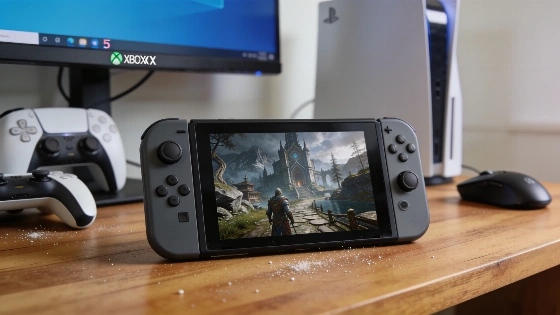
Bethesda has acknowledged player feedback on Oblivion Remastered's performance and is now exploring whether the Nintendo Switch 2 version's optimisations could be extended to PlayStation, Xbox and PC editions
Bethesda has confirmed it is actively investigating the possibility of bringing performance improvements from the newly released Nintendo Switch 2 version of Oblivion Remastered to other platforms. This follows ongoing player reports of technical issues, including frame-rate instability and crashes, which have persisted since the remaster's original launch.
Switch 2 Version Launches with New Features
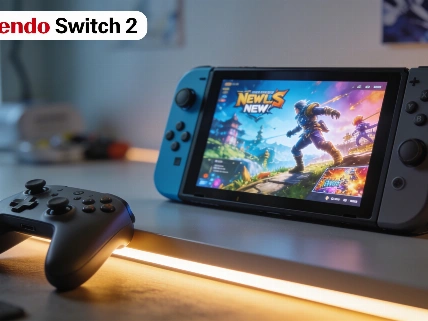
The Nintendo Switch 2 edition of Oblivion Remastered launched today, introducing support for touchscreen input, mouse controls and gyro aiming. Bethesda also lists general enhancements such as DLSS anti-aliasing and a suite of performance optimisations not previously available on other platforms. However, the company has not yet detailed the specific technical changes or quantified their impact on gameplay stability or frame rates.
Player Feedback Drives Patch Consideration
Since its release, Oblivion Remastered has been praised for its visual overhaul and systems refinements, but technical complaints have remained a consistent theme across PlayStation, Xbox and PC. Bethesda's recent statement, published via its official social channels, directly addresses requests for an additional patch, confirming that the optimisations present in the Switch 2 version are under review for wider deployment. No timeline or platform-specific details have been provided, and it remains unclear whether all improvements will be feasible on every system.
Platform Parity and Ongoing Uncertainty
The lack of precise information about the nature of these optimisations means players on non-Nintendo platforms are still waiting for concrete answers. While the Switch 2 release demonstrates Bethesda's willingness to revisit technical performance, the company has not committed to a full parity patch or outlined which features-such as DLSS support-might be technically or commercially viable elsewhere. This approach echoes recent trends, as seen with other major releases like Diablo 4's Switch 2 launch, which was covered in detail in our report on Diablo 4's upcoming Switch 2 edition and its unique release conditions.
For context, performance optimisations in modern remasters often involve a combination of engine-level adjustments, improved asset streaming, and the integration of upscaling technologies such as DLSS. These changes can reduce stutter, improve frame pacing, and enhance overall stability, but their effectiveness varies by platform and hardware capability. Until Bethesda provides a detailed breakdown or releases a patch, players should expect platform differences to persist.