
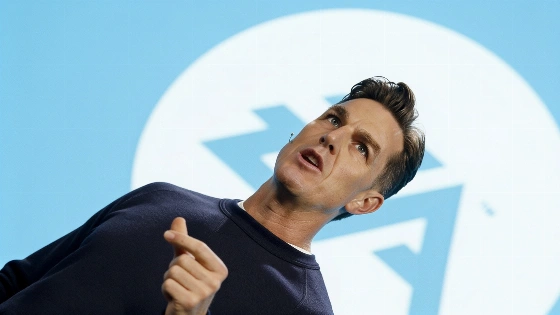
EA's CEO has received a substantial pay rise following Battlefield 6's record-breaking launch, but the developers behind the game were laid off just months after release, raising questions about industry priorities
Electronic Arts has disclosed that CEO Andrew Wilson received a total compensation package of $38,649,984 for the 2026 fiscal year, an $8 million increase over the previous year. This significant pay rise follows the commercial success of Battlefield 6, which became the highest-selling game of 2025 and set new records for the franchise.
Battlefield 6's Launch and Sales Milestones
Battlefield 6 launched to immediate commercial success, selling over seven million copies within its first three days. The game outperformed major competitors, including Call of Duty: Black Ops 7 and NBA 2K26, and topped sales charts on both Xbox and PC platforms. According to EA's latest SEC filing, the game's "high-quality launch" and "positive critical reviews" were key factors in the company meeting its internal objectives for the year.
The filing also credits Battlefield 6's launch for helping EA maintain resilience in what it describes as an "unpredictable external environment." The game's strong performance was cited as a primary reason for Wilson's increased compensation, which was confirmed in official documentation released in July 2026.
Lay-Offs Shadow Record Performance
Despite the game's commercial achievements, EA implemented lay-offs across all Battlefield development teams in March 2026, just five months after the game's launch. The company stated that the restructuring was intended to "better align" resources with community priorities, but did not specify the number of affected employees. The timing of these job losses, so soon after a record-breaking release, has drawn attention to the disconnect between executive rewards and the fate of development staff.
This pattern is not unique to EA. The industry has seen similar moves elsewhere, as highlighted in NGB's coverage of unreleased content and studio changes within the Call of Duty franchise, reflecting broader questions about how commercial success is distributed within major publishers.
Ongoing Support and Community Response
Battlefield 6 continues to receive post-launch content, with a Top Gun collaboration scheduled for August as part of Season 4. This update will introduce new fighter jets and character skins inspired by the film, complete with voice acting. In June, Ariel Giovannetti, Seasonal and Competitive Creative Lead at Motive, Battlefield Studios, stated that the team remains focused on responding to player feedback and evolving the game's roadmap in line with community expectations.
While the game's reception has fluctuated since launch, ongoing updates and seasonal content suggest that EA is committed to maintaining Battlefield 6's live-service model. However, the impact of the March lay-offs on future development capacity remains unclear, particularly as the franchise navigates a competitive shooter landscape.
Corporate Context and Ownership Changes
The news of Wilson's pay rise comes in the wake of EA's acquisition by a private investor group in 2025, a deal valued at $55 billion and involving Saudi Arabia's Public Investment Fund, Silver Lake, and Affinity Partners. This transaction resulted in 100% ownership of EA by the consortium, with Wilson remaining as CEO. The acquisition has not yet led to major changes in EA's public-facing operations, but the company's approach to executive compensation and workforce management continues to attract scrutiny.
As the industry faces ongoing debate over the balance between executive rewards and developer job security, Battlefield 6's trajectory highlights the complex relationship between commercial success, live-service support, and the realities of game development at scale.
Understanding live-service models is essential to interpreting stories like this. Live-service games are designed for ongoing updates, seasonal content, and evolving roadmaps, often requiring continuous development resources long after launch. While this approach can extend a game's lifespan and revenue, it also places sustained pressure on development teams and can lead to unpredictable cycles of hiring and lay-offs, especially when priorities shift or sales targets are exceeded or missed. The structure of live-service support is now central to how major publishers manage both their games and their workforce.