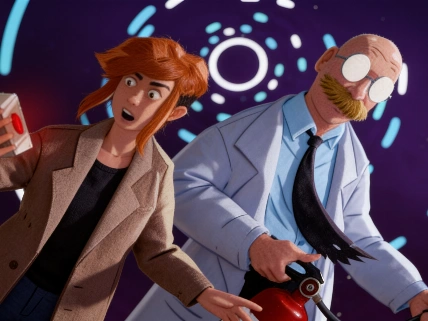

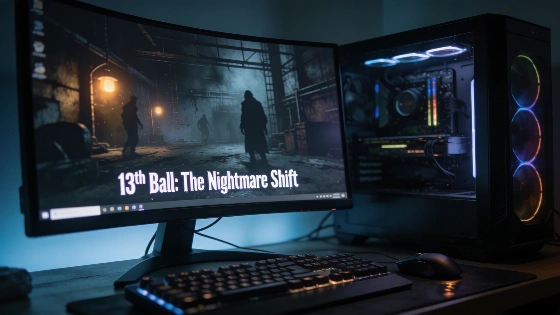
Bumi Studio and Web Global Gaming have announced a closed playtest for 13th Ball: The Nightmare Shift, with registration open on Steam from 31 July to 5 August 2026. Player feedback will help shape the upcoming narrative-horror game
Bumi Studio, an independent developer based in Malang, Indonesia, and publisher Web Global Gaming have officially announced a closed playtest for their debut narrative-horror title, 13th Ball: The Nightmare Shift. The playtest is designed to gather early player feedback ahead of the game's public demo, with registration available from 31 July until 5 August 2026 at 3:00 AM UTC. Access is limited, and interested players are required to complete a Google Form shared via the game's official social channels to be considered for participation.
Playtest Details and Access
Selected participants will receive a unique Steam key by email, granting access to the closed playtest build. After completing the session, players will be invited to submit their impressions through a feedback form, allowing the developers to address issues and refine the experience before the demo's wider release. The playtest is only available on PC via Steam, and players are encouraged to wishlist the game for future updates. The official Steam page and a gameplay trailer are already live, providing a first look at the game's atmosphere and design direction.
Development Background
13th Ball: The Nightmare Shift marks the first PC horror project from Bumi Studio, developed in collaboration with Singapore-based Web Global Gaming. Both studios are positioning the game as their debut in the genre, with a focus on narrative-driven horror. The playtest represents an early opportunity for players to influence the game's direction, a practice increasingly common among indie developers seeking to build community engagement and address technical or design issues before launch.
Release Timing and Community Context
The closed playtest registration window runs for five days, from 31 July to 5 August 2026, with no confirmed date yet for the public demo or full release. The developers have not disclosed the total number of available slots, but the limited nature of the test suggests a focus on targeted feedback rather than large-scale stress testing. For players interested in narrative-driven horror, this approach follows a trend seen in other recent indie releases, such as the expanded demo for Welcome, Dear Human, which added new routes and interactive features as detailed in our coverage of its Steam update.
Closed playtests are a common step in modern game development, particularly for narrative and horror titles where player feedback can reveal pacing issues, technical bugs, or unclear mechanics before a wider audience is reached. Unlike open betas, closed playtests typically involve a smaller, curated group of players and are often used to validate core systems, narrative flow, and technical stability. This process helps developers identify and address problems early, improving the likelihood of a smoother public demo and eventual launch.