
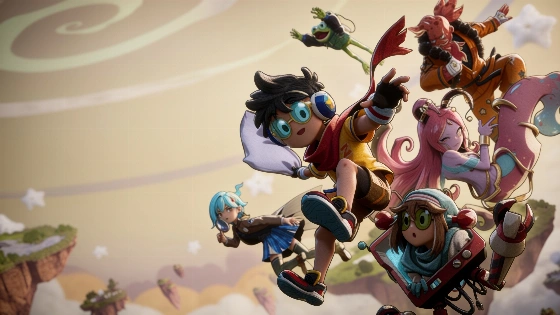
Zozo and the Lost Dreams, a platformer-Metroidvania inspired by Saturday morning cartoons, is being showcased at Tokyo Game Show with its inventive visuals and playful combat mechanics drawing attention from attendees
Zozo and the Lost Dreams has landed at the Tokyo Game Show, immediately standing out with its bold visual identity and a premise that channels the energy of classic Saturday morning animation. Developed by Red Dunes Games in collaboration with Agate, the game is not just another nostalgia play-it's a platformer-Metroidvania that leans into cartoon logic, both in its art direction and its mechanics. According to Dengeki Online, the game is one of Red Dunes Games' headline playable showcase titles at TGS2026, with the event running from 17-21 September 2026 at Makuhari Messe.
Visual Style and Gameplay Mechanics
The most striking element on display is the game's hybrid visual approach. Zozo and the Lost Dreams combines pixel-art character sprites with rasterised backgrounds, creating a layered look that feels both retro and contemporary. This design choice is not just aesthetic: it supports the game's ambition to modernise the exaggerated, expressive style of classic cartoons for a new audience. The knockback combat system is another highlight-attacking an enemy can send them careening into others, triggering chain reactions reminiscent of pinball or slapstick bowling. This mechanic injects a sense of chaos and unpredictability into encounters, reinforcing the game's playful tone.
Movement is acrobatic, with Zozo dashing, leaping and smashing through a series of dreamlike worlds. Each environment is handcrafted, packed with secret routes and logical puzzles that reward curiosity. The game's structure encourages players to revisit earlier areas with new abilities, uncovering hidden paths and piecing together a larger narrative as they progress. Independent coverage, including The National, describes the title as a 2D Metroidvania/platformer, and confirms that it is being developed for PC and PlayStation with a planned release window in Q1 2027.
Story and Structure
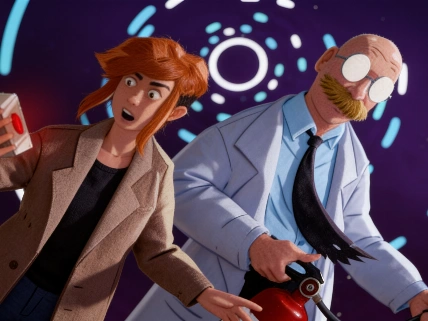
At the heart of the game is Zozo, a 13-year-old boy determined to become a superhero. With the help of his eccentric neighbour, Professor Aisha, Zozo constructs a machine that lets him enter his own dreams. What begins as a fantasy quickly turns into a real challenge when Zozo becomes trapped in the dream world, forced to navigate unpredictable landscapes and confront bizarre enemies to find his way home. Each dream operates as a self-contained episode, complete with its own theme song and unique cast of characters, but also contributes to an overarching story that builds towards a finale. Sector.sk and other outlets have repeated this premise, highlighting the game's focus on episodic storytelling and dreamlike exploration.
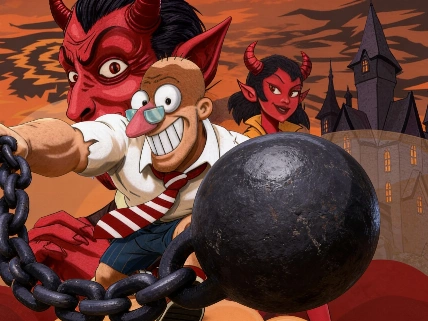
Agate describes the experience as stepping into a Saturday morning cartoon, with episodic storytelling and musical cues that reinforce the nostalgic atmosphere. Every dream sequence introduces new rules, characters and surprises, ensuring that the gameplay remains fresh and varied throughout.
Development and Studio Background
Zozo and the Lost Dreams is the result of a partnership between Red Dunes Games, based in Abu Dhabi, and Agate, one of Indonesia's largest game development companies. Sultan Al Darmaki of Red Dunes Games has played a central role in shaping the concept, working closely with Agate Studio to bring the project to life. Agate's track record includes over 250 developed titles across platforms such as Android, iOS, PlayStation, Nintendo Switch and Steam, serving more than 200 global clients. Red Dunes Games, meanwhile, is known for its focus on storytelling and cross-cultural appeal, aiming to create original games that resonate internationally. According to The National, Red Dunes Games brought a total of nine titles to Tokyo for TGS2026, with Zozo and the Lost Dreams featured alongside Port of Jumanah and Nightmare Circus.
The game's presence at Tokyo Game Show places it alongside other notable indie and genre projects, echoing the kind of international attention seen by titles like those reported earlier in the year. Official TGS2026 program listings confirm that Red Dunes Games is exhibiting at booth 07-N03, and Japanese reports from AppBank note that Zozo and the Lost Dreams is one of the booth's playable headline titles, with creators and YouTubers invited to cover the game on-site during the show.
What Remains Unconfirmed
While the game's Q1 2027 release window for PC and PlayStation has been stated in independent coverage, specific pricing and details about additional platforms have not yet been officially announced by the developers. The current build has been demonstrated at Tokyo Game Show, but there is no evidence yet of independent hands-on impressions or technical performance analysis. It is also unclear whether the episodic structure will translate into a single release or a staggered rollout. Players interested in the game's progression systems, accessibility options or potential for post-launch updates will need to wait for further announcements from Red Dunes Games and Agate. Dengeki Online and the official Tokyo Game Show program remain the primary sources for the most up-to-date information on the game's status and showcase details.
Zozo and the Lost Dreams is positioning itself as a platformer-Metroidvania that blends nostalgia with inventive mechanics and a strong visual identity. Its Tokyo Game Show appearance demonstrates a commitment to both style and substance, but the absence of concrete release information means that players should temper expectations until more details are confirmed. For now, the project stands as a promising example of how classic cartoon influences can be reimagined for modern gaming audiences, provided the final product delivers on the potential shown in its early presentations.
Metroidvania games are defined by their interconnected worlds, where progress is often gated by abilities or items acquired later in the game. This structure encourages exploration and backtracking, rewarding players who pay attention to environmental clues and remember previously inaccessible areas. The genre's appeal lies in its blend of platforming, combat and puzzle-solving, with each new upgrade opening up fresh possibilities for traversal and discovery. Understanding this framework is key to appreciating how Zozo and the Lost Dreams aims to keep its dream worlds engaging and replayable, even as it draws on the aesthetics and episodic rhythms of classic cartoons.