
Tony Driscoll will lead Skydance's combined gaming division after Paramount Skydance and Warner Bros. Discovery completed their merger on October 6, 2026. The deal brought their teams and major IP under one company, with a transaction value of approximately $78 billion and an enterprise value of $110.9 billion including WBD obligations.
Tony Driscoll now oversees Skydance's entire gaming and experiences operation. The change follows the merger between Paramount Skydance and Warner Bros. Discovery, which closed on October 6, 2026. Warner Bros. Discovery became a wholly owned subsidiary of Skydance Corporation.
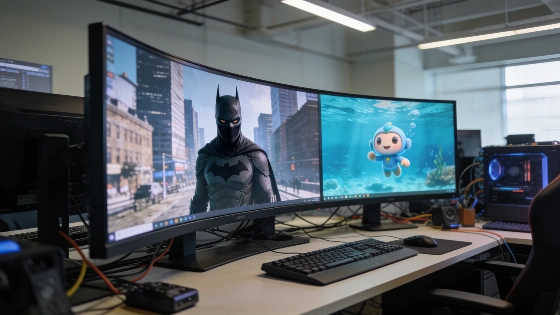
The SEC Form 8-K describes the deal as approximately $78 billion, financed through stock and debt. The often-cited $110.9 billion figure reflects enterprise value, including WBD's obligations. Driscoll now sits over a portfolio that includes Batman, SpongeBob SquarePants, Star Trek, Harry Potter and Mortal Kombat.
One gaming division
The merger puts Paramount and Warner Bros. Discovery's games and experiences teams under one structure. Driscoll will lead the group as president of Games and Experiences at Skydance.
His job covers more than game publishing. The division also includes theme parks, resorts, restaurants, retail and studio tours. It is a combined business built around digital games and physical experiences.
Skydance president Andy Gordon told staff that Games, Experiences, Consumer Products and Publishing are being treated as growth pillars alongside television, film and direct-to-consumer services. The stated goal is to connect audiences wherever they watch, play and spend time with the company's brands.
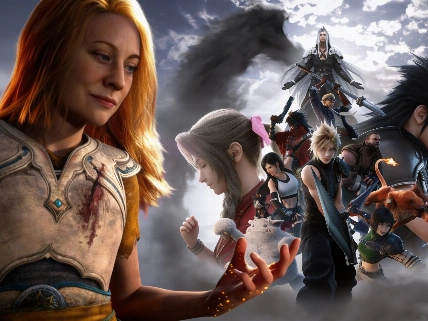
The size of the portfolio is the most immediate result. It now includes Star Trek, Mission: Impossible, SpongeBob SquarePants, South Park, Avatar: The Last Airbender, The Godfather, Harry Potter, DC Universe, Game of Thrones, Mortal Kombat, The Matrix and Rick and Morty.
Driscoll's existing pipeline
Driscoll is not new to the games business. He previously ran Paramount Games Studio, which was established in June. That team soon began laying out a more active game strategy.
Star Trek: Shadow Frontier was unveiled at Summer Game Fest 2026, with Bloober Team attached to development. Teenage Mutant Ninja Turtles: The Last Ronin was announced with PlatinumGames.
Marvel 1943: Rise of Hydra is another major project in the pipeline. It is being developed internally, with Amy Hennig serving as producer and writer. The game has been delayed repeatedly and is expected to launch next year.
That timing is not confirmed. The supplied information does not include a firm release date, so the expected launch should not be treated as a set schedule.
The division starts with well-known intellectual property and projects at different stages. The merger gives Skydance a larger rights portfolio right away. Owning more brands does not by itself show that a strong slate of games is ready to ship.
How the merger closed
Paramount Skydance, Warner Bros. Discovery and Paramount's subsidiary Prince Sub signed the merger agreement on February 27, 2026. After the closing, the combined company took the Skydance name and the SKYD ticker.
Paramount Skydance ultimately emerged after Netflix withdrew from the bidding process on February 27, 2026. Netflix had first offered $72 billion on December 5, 2025, for Warner Bros. Discovery's Studio and Streaming assets. Three days later, Paramount Skydance made a higher offer for the entire company and proposed a higher price per share.
The deal then faced legal opposition from 12 Democratic attorneys general representing various states under Section 7 of the Clayton Act. A federal court approved the settlement on September 30, 2026. The transaction closed afterward.
The settlement requires Skydance to release at least 30 theatrical films each year during the first two years. It must release at least 32 each year during the following three years. Each film must receive a theatrical window of at least 45 days.
The company must also raise its annual domestic production spending by at least $300 million above its 2025 level. That equals $1.5 billion cumulatively over five years. The settlement also bars Skydance from selling or closing Paramount or Warner Bros. studio facilities.
The supplied settlement details require Skydance to freeze theatre-operator rates for three years. They also call for an editorial-independence board for CBS News and CNN.
A separate consent decree bars the company from combining Paramount and WBD cable portfolios into one package during distribution talks. If Skydance violates that condition, BET, VH1, Comedy Central, Smithsonian, Destination America and Science could be required to separate from the combined portfolio.
Those terms apply to the wider merged company, not to one particular game. They still matter to the games business because Driscoll's division now operates inside a company with more entertainment assets and obligations than Paramount had before the deal.
David Ellison kept his positions as chairman and CEO after the closing. Former Mattel CEO Ynon Kreiz became co-chairman and CEO, with responsibility for operational management and integration. Driscoll's games and experiences group now has to work through that leadership structure as the companies combine.
What players can judge
For players, the immediate evidence is organizational rather than playable. The supplied information includes no platform details, pricing, performance targets or release dates for the newly combined portfolio.
The announced projects show that Skydance is working with different partners. They do not show how those games will perform. They also do not establish whether the projects will share technology, release planning or production resources.
Driscoll has said his first priority is to meet teams in locations including Los Angeles, London, Montreal and Tokyo. That points to an early stage of integration, not a finished creative plan.
The next useful evidence will come from project updates. Those updates will need to explain what each studio is making, when it is expected to launch and what players can expect to receive.
The size of the strategy will require discipline. Batman, SpongeBob SquarePants, Harry Potter and Mortal Kombat can support different genres and audiences. A large license catalog only helps when each project has a clear creative identity and enough development support.
Skydance now has the ingredients for a substantial games business. It has not yet shown that the merged structure can turn them into consistently compelling releases.
That gap is common in games. A broad entertainment plan can be years ahead of finished software. An earlier mod report on seasonal systems offered a concrete feature that players could inspect. Skydance's current announcement mainly establishes who controls the portfolio.
The merger matters as a reorganization of gaming power. Players will have to wait for actual games before judging the results.
A release window is not the same as a shipped game. An announced partnership is not proof of final quality. Until Skydance publishes project-specific gameplay, platforms and dates, the clearest confirmed fact is the new leadership structure. Tony Driscoll's appointment matters, but it is not yet proof of a successful gaming strategy.