
Sony anticipated strong negative reaction to its decision to phase out physical PlayStation 5 game discs, reportedly issuing its strictest-ever staff guidelines to prevent public comment on the move
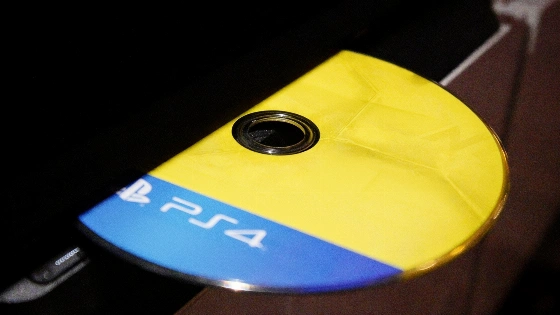
Sony's decision to discontinue physical disc releases for new PlayStation 5 games from January 2026 has triggered significant debate across the gaming community. The company reportedly anticipated the controversy, implementing unusually strict internal policies to prevent staff from discussing the change publicly. This approach reflects Sony's awareness of the likely backlash and its determination to control the narrative as the platform transitions to digital-only distribution for future titles.
Internal Restrictions and Staff Guidance
According to Alanah Pearce, a writer on God of War Laufey, Sony issued its most stringent social media and communication guidelines to PlayStation staff in anticipation of the announcement. Pearce, who has previously worked within PlayStation's first-party studios, indicated that these restrictions surpassed those seen for major game launches or sensitive development milestones. The intent was to prevent unauthorised commentary or leaks that could further inflame public reaction or undermine Sony's official messaging.
While it is not unusual for large publishers to provide staff with communication protocols around major announcements, the reported severity of these guidelines suggests Sony recognised the potential for reputational risk. Pearce noted that such measures are typically reserved for issues expected to generate substantial negative attention, reinforcing the sense that Sony was bracing for a difficult reception.
Rationale and Player Response
Sony has justified the move by pointing to a decade-long shift in consumer behaviour, with digital downloads now dominating game sales. The company stated that, from January 2028, all new PlayStation games will be available exclusively in digital formats via PlayStation Store and retail digital codes, with no further physical disc production for new releases. Existing disc-based games and those released before the cut-off will remain unaffected.
Despite Sony's explanation, the decision has been met with vocal opposition from players who value physical ownership, game preservation, or simply prefer boxed editions. Over 335,000 signatures have been collected on a Change.org petition urging Sony to reverse course. However, industry analysts suggest that even large-scale subscription cancellations or coordinated protests are unlikely to prompt a policy change, given the scale of Sony's digital business and the relatively small proportion of players still purchasing discs.
Financial and Platform Implications
For Sony, the transition to digital-only releases is expected to improve margins on first-party titles and simplify distribution. When a PlayStation game is sold physically, Sony typically retains around 65% of the sale price, with the remainder split between retailers and manufacturing costs. For third-party games, Sony's share is even lower, often limited to a licensing fee. Digital sales, by contrast, allow Sony to retain a much larger portion of revenue, particularly for its own releases.
Console sales are projected to slow as hardware prices rise, making digital revenue increasingly important for platform holders. The move also aligns with broader industry trends, as highlighted in recent sales data showing that only a handful of PlayStation games have surpassed 100,000 physical copies sold in the US this year-a point explored in more detail in NGB's earlier analysis of PlayStation's declining disc sales.
What Remains Uncertain
While Sony has outlined its plans for new releases, several questions remain. The company has not detailed how it will address concerns around long-term game preservation, access for players with limited internet connectivity, or the resale and lending of games-features traditionally associated with physical media. There is also no indication that Sony intends to revisit its decision, despite ongoing petitions and negative feedback on official channels.
For now, Sony's silence beyond its initial announcement suggests the company is waiting for the controversy to subside. The effectiveness of its internal communication restrictions and the broader impact on player trust will become clearer as the transition date approaches and the industry adapts to a fully digital model for new PlayStation releases.
Understanding the difference between physical and digital game ownership is central to this debate. Physical discs allow players to install, lend, resell, or preserve games independently of online services, while digital purchases are typically tied to platform accounts and subject to licensing terms. As the industry moves towards digital-only distribution, questions about long-term access, preservation, and consumer rights are likely to become even more prominent for players and platform holders alike.