
ReStory, a new indie game set in mid-2000s Tokyo, has rapidly surpassed its development costs and reached $3 million in sales within days of launch, with strong player reviews on Steam
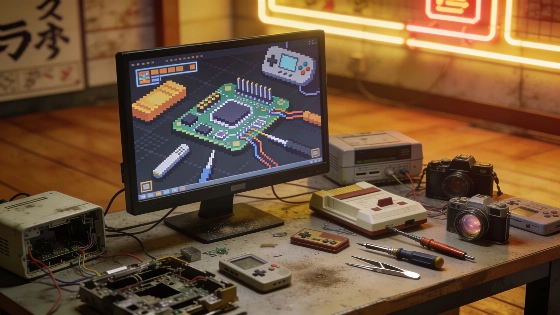
ReStory, an independently developed simulation game focused on repairing retro electronics in mid-2000s Tokyo, has achieved a remarkable commercial debut. Released on 6 August, the title quickly recouped its development budget within the first 12 hours, according to official figures shared by publisher tinyBuild. The game's early momentum has translated into significant sales, with revenue surpassing $3 million by 10 August and nearly 80,000 units sold in the opening days.
Launch performance and player response
ReStory's rapid commercial success is notable for an indie release, particularly given its niche premise centred on restoring off-brand PlayStation-era consoles and vintage cameras for a cast of stylised anime characters. The game's Steam page currently displays an "overwhelmingly positive" rating, with 96% of user reviews marked as positive. This level of early player satisfaction is rare for a new IP, especially one without a major marketing campaign or established franchise backing.
Players take on the role of an electronics shop owner, interacting with a variety of eccentric customers and repairing devices that evoke classic hardware-such as "Nony PlayMachines" and "Pokia" phones-without using official branding. The game also features properly licensed Atari consoles, adding a layer of authenticity to its nostalgic setting. The combination of hands-on repair mechanics and character-driven encounters appears to have resonated with a broad audience seeking a more relaxed, detail-oriented experience.
Development, controversy and artistic approach
Prior to launch, some prospective players raised concerns on forums about the possibility of AI-generated art assets, citing visual elements in trailers that appeared inconsistent or stylised in a way reminiscent of generative tools. The development team responded directly, stating that all assets in ReStory were created by experienced human artists and that no AI-generated content was used or planned for the game. This clarification has helped maintain trust among players sensitive to the use of generative AI in commercial releases.
The game's visual style blends authentic retro hardware design with playful reinterpretations of familiar devices, deliberately avoiding direct use of protected trademarks. This approach allows ReStory to evoke a sense of nostalgia while sidestepping legal and licensing complications, a strategy increasingly common among indie developers working with homage-driven concepts.
Sales figures and indie market context
According to tinyBuild CEO Alex Nichiporchik, ReStory's sales exceeded $1 million within a day of release, with the $3 million milestone reached just four days later. These figures place ReStory among the most commercially successful indie launches of the year, particularly for a title without a pre-existing fanbase. The game's strong performance on Steam highlights the ongoing appetite for simulation and restoration experiences, a trend also reflected in the popularity of other titles in the genre.
For players tracking the broader release calendar, ReStory's launch comes amid a busy period for indie and major releases alike. For a detailed look at upcoming titles and platform-specific schedules, see our coverage of key Switch 2 game release dates through 2026.
ReStory's early sales and positive reception suggest that there remains significant demand for games that combine tactile mechanics with character-driven storytelling, even in a crowded release window. The game's trajectory will be closely watched by both players and developers interested in the evolving indie landscape.
Understanding how Steam's review system works is essential for interpreting early player feedback. Steam aggregates user reviews into categories such as "positive", "mixed", or "overwhelmingly positive" based on the percentage of favourable ratings over time. While a high initial score can indicate strong launch quality, it is important to note that these ratings may shift as more players contribute reviews and as post-launch updates address any emerging issues. For new releases, early review trends can influence visibility on the platform and affect long-term sales momentum.