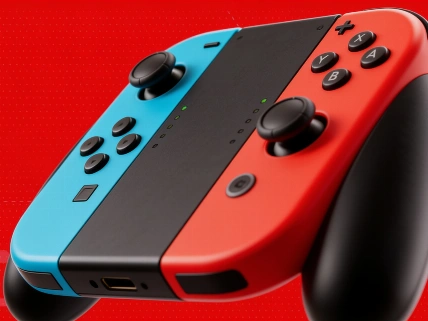

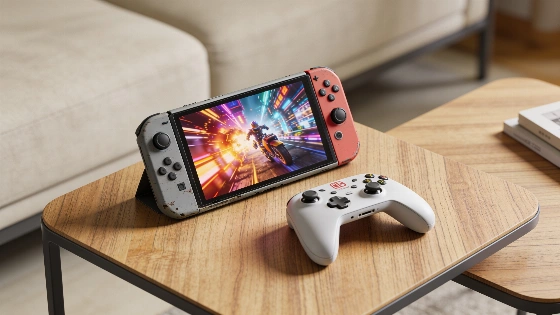
Nintendo has officially confirmed a price rise for the Nintendo Switch 2 in the UK, with the new cost taking effect from 1 September. The announcement follows similar increases across the US, Canada and Europe, and comes ahead of several major game launches
Nintendo has formally announced that the Nintendo Switch 2 will see a price increase in the United Kingdom from 1 September 2026. This move aligns the UK with recent price adjustments already confirmed for the United States, Canada and mainland Europe, and comes as the company prepares for a busy release calendar in the months ahead.
New UK Pricing and Regional Comparison
From 1 September, the Nintendo Switch 2 will retail in the UK at £419.99, up from its previous price of £395.99. This £24 increase brings the UK price closer to the new US rate, where the console will rise by $50 to $499.99. In Canada, the Switch 2 will also see a $50 increase, reaching $679.99 CAD. Across the Eurozone, the price will move to €499.99, an increase of €30. Japan has already implemented its own price adjustment earlier this year.
Players in all affected regions, except Japan, have until the end of August to purchase the Switch 2 at its original launch price. After that, the higher pricing will apply to all new hardware sales. Nintendo first signalled its intention to raise prices in May, citing market conditions and the global business outlook as key factors behind the decision.
Upcoming Releases and Player Considerations
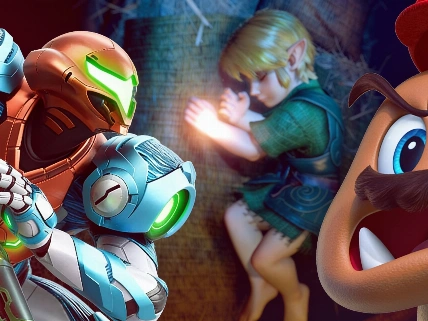
The timing of the price increase coincides with a packed release schedule for the Switch 2. Notable exclusives already available include Donkey Kong Bananza, Pokémon Pokopia and Splatoon Raiders. Looking ahead, Fire Emblem: Fortune's Weave is set for release on 17 September, followed by Switch Sports Resort on 22 October. The highly anticipated remake of The Legend of Zelda: Ocarina of Time is also due before the end of 2026, with Xenoblade Genesis and Pokémon Winds and Pokémon Waves confirmed for 2027.
For those considering a purchase, the current window offers the last opportunity to secure the Switch 2 at its lower price before the increase takes effect. However, players interested in special editions-such as the rumoured The Legend of Zelda 40th Anniversary Nintendo Switch 2 console and Pro Controller-should note that these are not expected to launch before the September price change.
Industry Context and Rationale
Nintendo has attributed the price rise to broader market pressures, including increased shipping costs, tariffs and component prices. The company is not alone in this approach; other major hardware manufacturers such as PlayStation, Xbox and Valve have also raised prices in response to similar challenges. Nintendo has apologised for the necessity of the increase, emphasising that the decision was made after considering the global business environment.
While the price adjustment may be unwelcome for some, it reflects ongoing volatility in the hardware supply chain and the wider economic landscape affecting the gaming industry. The company has provided several months' notice to allow players to plan their purchases accordingly.
What Remains Uncertain
Although the new pricing structure is now confirmed, several details remain unclear. Nintendo has not specified whether the price increase will affect bundled editions or future limited-edition hardware. The timing of special edition releases, such as the The Legend of Zelda 40th Anniversary console, has not been officially announced. Additionally, it is not yet known whether further price adjustments could occur if market conditions continue to shift.
Players considering a Switch 2 purchase should weigh the current catalogue, upcoming releases and the potential for future hardware revisions or special editions. As always, the best timing for a purchase will depend on individual priorities and the evolving release schedule.
Understanding regional pricing differences is essential for players navigating global hardware markets. Console prices are influenced by a combination of factors, including currency fluctuations, import tariffs, shipping costs and local taxes. Manufacturers may adjust prices in response to changes in component costs or broader economic pressures, and these adjustments can occur at different times across regions. For players, this means that the cost of entry can vary significantly depending on location and timing, making it important to monitor official announcements and plan purchases accordingly.