
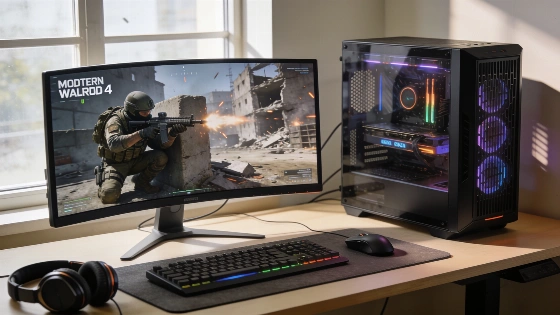
An internal marketing image for Modern Warfare 4 was mistakenly posted by the Call of Duty team, prompting renewed scrutiny over Activision's use of AI-generated assets and raising questions ahead of the upcoming beta
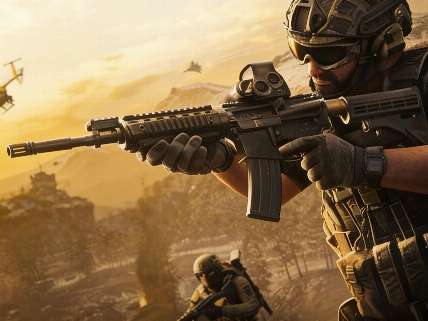
Call of Duty's official social channels have drawn attention after an internal marketing image for Modern Warfare 4 was published in error, leading to widespread speculation about the use of generative AI in the game's promotional material. The image, which appeared briefly on Twitter, showed a soldier advancing towards the camera but was quickly removed following community scrutiny.
Accidental Post and Immediate Response
The image in question was intended to promote Modern Warfare 4's presence at Gamescom, but fans quickly noticed irregularities-most notably, a distorted weapon that did not align with typical in-game models. This detail led to immediate suspicion that the asset may have been created using generative AI tools rather than traditional art pipelines. The Call of Duty team responded by confirming the image was a placeholder from a marketing style guide and not representative of in-game content, and stated that its publication was a mistake.
Official communication clarified that the image was not sourced from the game itself and was never intended for public release. The swift removal and explanation did little to quell ongoing debate about the extent of AI usage in Activision's asset creation process, especially given the publisher's previous admissions regarding AI-generated content.
Ongoing Concerns Over AI in Asset Creation
Activision has previously acknowledged the use of generative AI tools to support asset development for Call of Duty titles, including items such as calling cards in Black Ops 7. This transparency has not prevented ongoing player concern, particularly after the November 2025 backlash when AI-generated assets were first confirmed for use in the franchise. The publisher maintains that creative direction remains with its internal teams, but the boundaries between human and AI-generated content continue to be scrutinised by the community.
On the Steam page for Modern Warfare 4, a disclosure notes the use of generative AI in asset development, reinforcing that this is not an isolated incident. The debate has intensified as players question whether placeholder images are the exception or the norm, and whether similar assets might appear in the upcoming beta or at launch.
Community Reaction and Industry Context
Player reaction has ranged from scepticism to outright criticism, with some questioning the publisher's assurances that the image was merely a placeholder. Social media commentary has highlighted doubts about the transparency of the process, with fans asking how extensively AI has been used in both marketing and in-game art. The incident has reignited broader industry discussion about the role of generative AI in asset creation, echoing concerns raised during previous controversies in the franchise.
This episode comes as the industry continues to grapple with the implications of AI-generated content, not only for authenticity but also for the future of creative roles within game development. The debate is likely to persist as more publishers experiment with AI tools and as players demand clearer disclosure about what they are seeing in both promotional and in-game material.
What Remains Uncertain Ahead of Beta
Modern Warfare 4's beta is scheduled for this weekend, with the full release planned for October. It remains to be seen whether any AI-generated assets will be visible in the beta build, or if the controversy will influence how Activision presents its marketing going forward. Players are expected to scrutinise both the beta and the final release for further evidence of AI involvement.
For context, the use of generative AI in asset creation is not unique to Activision. Other major publishers have also begun to experiment with these tools, as discussed in our coverage of Square Enix's evolving approach to world-building in Final Fantasy 7 Revelation's expanded environments. The industry is still defining best practices for transparency and quality control as AI becomes a more common part of the development toolkit.
Generative AI refers to systems that can produce new images, audio, or text based on training data, often at a scale and speed unattainable by human artists alone. In game development, these tools can accelerate asset creation but also raise questions about originality, quality, and the role of human oversight. As publishers integrate AI into their pipelines, clear disclosure and robust review processes are increasingly important to maintain player trust and ensure that final assets meet the standards expected of major releases.