
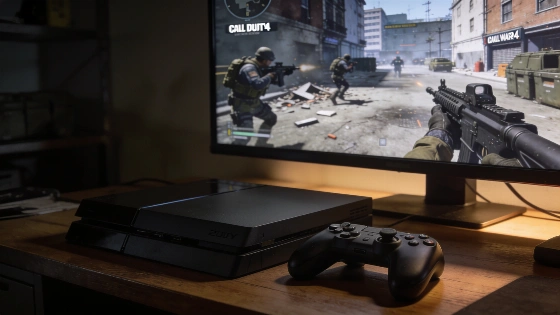
Infinity Ward has confirmed that the Call of Duty: Modern Warfare 4 beta will feature both the new matchmaking system and last year's open matchmaking, as the studio analyses player data ahead of the full release
Infinity Ward has outlined its matchmaking plans for the upcoming Call of Duty: Modern Warfare 4 beta, confirming that players will experience both the recently introduced matchmaking system and the open matchmaking approach first seen in Black Ops 7. This dual-system test is designed to gather player data and feedback before finalising the approach for the full release later this year.
Two Matchmaking Systems on Trial
The Modern Warfare 4 beta, scheduled for this weekend, will implement the new matchmaking system that debuted in Black Ops 7 Season 5, alongside the open matchmaking option that was introduced last year. The open system is intended to create more varied and unpredictable matches, while the newer system aims to balance teams more intelligently and maintain fuller lobbies, drawing inspiration from earlier Black Ops titles.
Infinity Ward has not yet committed to a single matchmaking approach for the final game, instead using the beta as a large-scale test environment. The studio is seeking to understand how each system affects player retention, match quality and overall enjoyment, with the results expected to inform the final decision ahead of the October launch.
Player Data and Measurable Impact
According to Infinity Ward, the introduction of the new matchmaking system has led to a reduction in match quit rates compared to the open system. During Black Ops 7's open matchmaking period, 80% of players experienced a 32.7% higher quit rate, 14.4% fewer kills per minute, and a 5.3% lower win rate, with nearly 60% more players rating matches as "Not Fun". In contrast, the new system has reportedly kept more players engaged, even as higher-skilled players face tougher opposition.
These figures highlight the challenge of balancing competitive integrity with player satisfaction. While some players prefer the unpredictability of open matchmaking, the data suggests that a more structured approach may improve retention and perceived fairness, though not all players agree on what makes for the most enjoyable experience.
Quality of Life Improvements and Ongoing Uncertainty
Alongside matchmaking changes, the Modern Warfare 4 beta will introduce several quality of life improvements aimed at addressing long-standing issues within the series. Details on these fixes remain limited, but Infinity Ward has stated that they target problems that have persisted for years.
It remains unclear which matchmaking system will be adopted for the full release. The studio has emphasised that player feedback and in-game data from the beta will be crucial in shaping the final approach. With Modern Warfare regarded as the franchise's most popular subseries, the outcome of this test could have a significant impact on the multiplayer experience for a large player base.
Franchise Context and Player Expectations
The decision to run both matchmaking systems in parallel reflects ongoing debate within the Call of Duty community about the best way to structure online play. Previous entries have experimented with different approaches, and the franchise's willingness to test and adapt is consistent with broader trends in multiplayer game design. For further insight into how major gameplay systems are revealed and iterated upon, readers may be interested in our coverage of a recent Control Resonant boss battle demonstration, which illustrates how developers use public tests to refine player-facing features: see our analysis of Control Resonant's evolving gameplay systems.
As the beta unfolds, players are encouraged to participate and provide feedback, as the data collected will directly influence the final multiplayer structure. The studio's approach underlines the importance of large-scale testing in shaping the future of competitive shooters.
Matchmaking in online shooters refers to the process by which players are grouped into teams and matches, often using algorithms that consider skill level, recent performance, and connection quality. Systems range from open matchmaking, which prioritises speed and variety, to skill-based matchmaking, which aims to create balanced matches but can sometimes lead to less varied experiences. The choice of matchmaking system can significantly affect player satisfaction, retention, and the perceived fairness of online play.