
Nintendo's Shigeru Miyamoto has addressed concerns about frequent remakes, suggesting that updated versions of Star Fox and The Legend of Zelda: Ocarina of Time could pave the way for future developments on Switch 2
Nintendo's approach to remaking classic titles has come under renewed scrutiny following the recent launch of Star Fox for Switch 2 and the official announcement of The Legend of Zelda: Ocarina of Time's upcoming remake. Shigeru Miyamoto, Nintendo's most recognisable creative figure, has responded to questions about the company's reliance on remakes, arguing that these projects serve both new and returning players while laying the groundwork for future entries.
Recent Remakes and Player Reaction
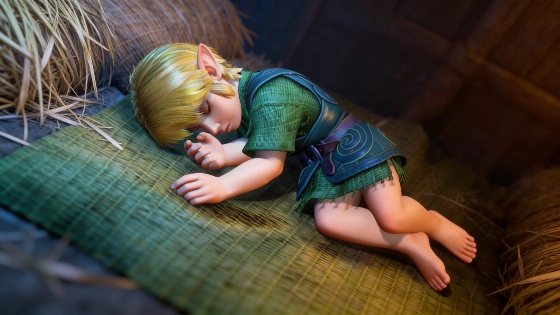
Star Fox's latest release on Switch 2 marks the third time Nintendo has reimagined its N64-era classic, prompting debate among long-term fans about the value of repeated remakes. The Legend of Zelda: Ocarina of Time, set for release on Switch 2 later in 2026, will follow several previous re-releases, including a 3DS port and digital editions. While some players have expressed fatigue with familiar content, others see these remakes as a chance to revisit foundational games with modern enhancements.
According to reporting from Famitsu, Miyamoto has defended the strategy by highlighting the generational gap in gaming. He notes that many younger players have not experienced these titles in their original form, and that remakes can introduce classic gameplay to a new audience. Miyamoto also suggests that revisiting older games can inspire new ideas and lead to original projects in the same franchises.
What's Confirmed for Switch 2
The Switch 2's 2026 line-up is anchored by these high-profile remakes. Star Fox launched last month, offering updated visuals and controls but retaining the core structure of the N64 original. The Legend of Zelda: Ocarina of Time remake was officially revealed during the June 2026 Nintendo Direct, with a brief teaser confirming a 3D art style and a release window later this year. While the teaser did not show extended gameplay, a now-removed product description suggested the remake will remain faithful to the original's design.
Neither Nintendo nor its development partners have detailed specific technical upgrades, performance targets, or new features for these remakes. Pricing, edition structure, and compatibility with existing save data have not yet been confirmed. The company has not announced whether these remakes will include quality-of-life improvements or additional content beyond visual and control updates.
Implications for Future Franchise Entries
Miyamoto's comments indicate that Nintendo views remakes as more than simple nostalgia plays. By reintroducing classic games to a new generation, the company aims to maintain franchise relevance and potentially inform the direction of future sequels. The recent appearance of Fox McCloud in the Super Mario Galaxy Movie and the renewed focus on Star Fox have led to speculation about a brand-new Star Fox game, though no such project has been officially announced.
For The Legend of Zelda, the Ocarina of Time remake arrives as players await news of a full follow-up to The Legend of Zelda: Tears of the Kingdom. While Nintendo has not confirmed development of a new mainline Zelda, the timing of the remake suggests the company intends to keep the franchise in the spotlight as it transitions to new hardware.
What Remains Unclear
Despite the official announcements, several key details remain unknown. Nintendo has not provided a specific release date for The Legend of Zelda: Ocarina of Time on Switch 2, only stating it will arrive later in 2026. The extent of technical improvements, such as resolution, frame rate, and loading times, has not been demonstrated in public footage. It is also unclear whether the remakes will support features unique to Switch 2 hardware, such as enhanced haptics or expanded online functionality.
Until Nintendo releases more detailed trailers or technical breakdowns, players will have to wait for independent analysis to assess how these remakes compare to their originals and previous ports. The company's broader strategy for balancing remakes with new entries in its flagship series remains a subject of ongoing discussion among players and industry observers.
Remakes differ from remasters in that they involve rebuilding a game's assets, systems, or presentation for modern hardware, often with significant changes to visuals, controls, or underlying technology. While remasters typically update resolution and performance, remakes can alter gameplay or design to suit contemporary expectations. For long-running franchises like Star Fox and The Legend of Zelda, remakes offer a way to preserve classic experiences while potentially setting the stage for future innovation.