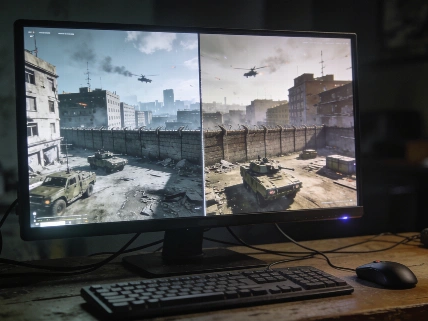

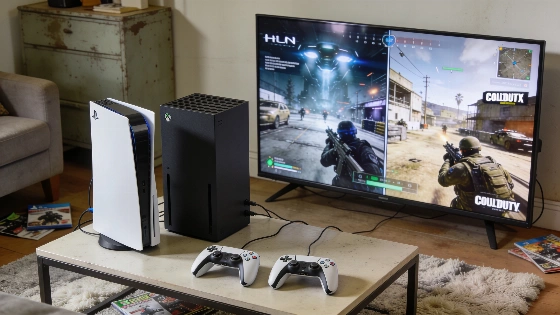
Halo: Campaign Evolved's launch has delivered strong visuals and technical upgrades, but the absence of PvP maps is being blamed for sales lagging far behind Call of Duty: Black Ops 1 and 2 on PlayStation 5, according to new analysis
Halo: Campaign Evolved, a full remake of the original Halo's single-player campaign, has launched to praise for its technical improvements but is facing scrutiny over its lack of competitive multiplayer. Industry analysis suggests this omission has had a measurable impact on sales, particularly when compared to the recent PlayStation 5 ports of Call of Duty: Black Ops 1 and 2, which have seen significantly higher uptake despite being straightforward ports rather than remakes.
Sales Figures and Platform Breakdown
According to data from Alinea Analytics, Halo: Campaign Evolved has sold approximately 1.2 million copies across all platforms in its first two weeks, with 544,000 units attributed to PlayStation 5. The split between Xbox and PlayStation players is nearly even, with 42% on Xbox and 41% on PS5. Gross revenue for Halo Studios is reported at $67 million for this period. In contrast, the PS5 ports of Call of Duty: Black Ops 1 and 2 have achieved a combined 12 million sales in just one month, with Black Ops 2 alone accounting for 8.9 million units. These Call of Duty ports are not remasters or remakes, but basic 1080p re-releases offered at a lower price point.
Multiplayer Absence and Player Expectations
The core difference highlighted by analysts is the presence of PvP multiplayer in the Call of Duty ports, which remains a major draw for returning players. Only around 22% of Black Ops 2 players on PS5 have started the campaign, indicating that the vast majority are purchasing for the multiplayer experience. Halo: Campaign Evolved, by contrast, is limited to campaign and co-op modes, with no competitive multiplayer maps included at launch. This is a notable omission for a franchise that helped define console multiplayer for a generation of players, particularly those who remember split-screen and LAN sessions as a central part of the original Halo experience.
Franchise Context and Market Impact
While Halo remains one of the most recognisable multiplayer franchises in console history, its latest remake has not matched the commercial momentum of Call of Duty's older entries on PlayStation. The Call of Duty series continues to benefit from a global player base and annual releases, while Halo has not seen a fully new mainline entry since Halo Infinite in 2021. The lack of PvP in Campaign Evolved appears to have limited its appeal, especially among players seeking nostalgia-driven multiplayer sessions. This trend is consistent with broader market patterns, where multiplayer functionality often drives long-term engagement and sales.
Comparisons and Broader Industry Trends
The contrast between Halo: Campaign Evolved and the Black Ops ports highlights the enduring value of multiplayer content in legacy franchises. Even as technical upgrades and visual fidelity improve, player demand for competitive modes remains strong. This dynamic is not unique to Halo or Call of Duty; similar debates have emerged around other high-profile releases, such as the recent classification issues faced by Halloween: The Game in Australia and New Zealand, which also raised questions about content expectations and regional differences in player priorities. For more on how regulatory decisions can affect game launches, see this coverage of Halloween: The Game's regional release challenges.
Understanding the distinction between remakes and ports is essential when comparing sales and player expectations. A remake like Halo: Campaign Evolved involves rebuilding assets, updating technology, and often reimagining gameplay, while a port typically brings an existing game to new hardware with minimal changes. Players may expect more substantial content additions from a remake, including features like multiplayer, whereas ports are often purchased for nostalgia or convenience. This difference shapes both commercial performance and the critical response to legacy releases.