
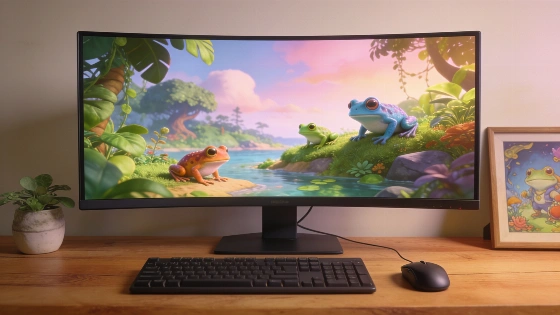
DevFrog's Frog Island, a point-and-click life sim focused on frog collecting and island caretaking, is now available on Steam for PC. The game offers a story-driven experience with customisation, farming, and exploration elements
Frog Island, the debut title from independent developer DevFrog, is now available for PC players via Steam. After more than three years in development, the game introduces a blend of point-and-click adventure, creature collecting, and life simulation, inviting players to take on the role of caretaker for a mysterious island inhabited by frogs. The release is published by Shovel Sprout Games Inc. and is priced at $7.99 USD.
Release Details and Platform Availability
Frog Island is launching globally on 20 August 2026 for PC through Steam, with no current confirmation of console or mobile versions. The game is positioned as a spiritual successor to titles such as Neko Atsume, but with a stronger narrative focus and a wider range of interactive systems. Players begin their journey after waking up on a deserted island, tasked with caring for a collection of frogs following the unexplained disappearance of a mysterious woman. The game's structure revolves around two main objectives: escaping the island and embracing the role of its caretaker.
For those interested in similar genre releases, the recent launch of Nimbit Frontier in Early Access on Steam demonstrates the continued popularity of creature-raising life sims, as covered in our feature on Nimbit Frontier's Early Access debut.
Gameplay Structure and Core Features
Frog Island offers a range of activities typical of the life simulation genre, including farming, cooking, fishing, and foraging. The core gameplay loop centres on discovering and collecting over 60 unique frogs, each with distinct personalities and appearances. In addition to frogs, players can encounter and catch more than 60 types of bugs, critters, and fish, expanding the island's wildlife catalogue. The game features over 250 toys and decorations, allowing for extensive customisation of the island environment.
Players can explore more than 10 hand-crafted environments, from volcanic landscapes to magical flower fields. Interaction with the frogs extends beyond collection, with options to feed, dress, sing to, and otherwise care for the creatures. A built-in camera system enables players to capture and save memorable moments in a photo album. The narrative is delivered through a combination of main story progression, side quests, and hidden lore, with the promise of secrets to uncover as players piece together the protagonist's forgotten past.
Development Background and Studio Context
Frog Island marks the first commercial release from Shovel Sprout Games, a studio founded by DevFrog. The project has been in development for over three years, reflecting a trend among indie studios to invest significant time in crafting detailed, hand-made worlds for life simulation and creature-collection experiences. The game's price point of $7.99 USD positions it as an accessible entry for players interested in the genre, with no mention of additional paid content or live-service elements at launch.
Press materials and high-resolution assets are available for media, and review keys can be requested directly from the publisher. There is currently no information regarding future updates, downloadable content, or plans for expansion beyond the initial release.
What Remains Unconfirmed
At launch, Frog Island is exclusive to PC via Steam, with no indication of console or mobile versions in development. The developer has not detailed any post-launch roadmap, live-service features, or plans for ongoing content updates. Performance targets, system requirements, and accessibility options have not been specified, and there is no independent review evidence available at the time of release. Players should be aware that, as with many indie life sims, the long-term support and update cadence will depend on initial reception and sales performance.
Creature-collecting life sims like Frog Island typically combine elements of adventure, customisation, and progression within a relaxed, non-linear structure. These games often appeal to players seeking a slower-paced, exploratory experience, with the freedom to focus on collection, decoration, or narrative discovery. The genre's popularity on PC and Steam reflects a broader trend towards player-driven goals and open-ended play, though the absence of console versions at launch may limit the game's reach in the short term.