
Parco Games and Lidlocks have announced that Finding Polka, a hand-drawn hide-and-seek adventure inspired by Japanese daily life, will launch on Steam for PC on 12 August 2026, offering a dialogue-free journey with expressive animation
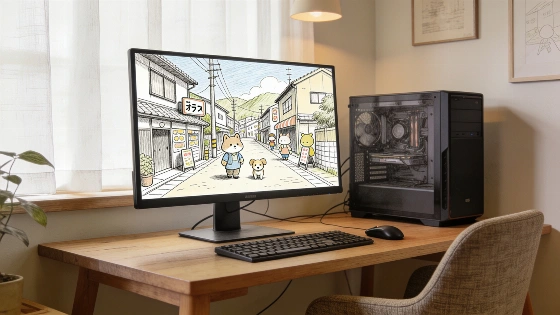
Parco Games and developer Lidlocks have officially confirmed that Finding Polka, a hand-drawn interactive adventure, will be released on Steam for PC on 12 August 2026. The game invites players to explore a gentle, slice-of-life world inspired by everyday moments in Japan, following the story of Friendy and her sausage dog Jazz as they embark on a hide-and-seek journey in search of a mysterious French Bulldog reminiscent of Jazz's childhood companion, Polka.
Gameplay and Artistic Direction
Finding Polka is designed as a walking adventure with a focus on exploration, curiosity and small acts of kindness. The game features hand-drawn environments rendered in ballpoint pen, with no spoken or written dialogue. Instead, the narrative unfolds through expressive character animation, environmental cues and sound design. Players will encounter a variety of animal characters, each with their own quirks and needs, and can expect to discover hidden secrets, mini-games and unexpected encounters as they traverse towns, forests and coastal areas.
The visual style is shaped by solo developer Shinnosuke Kumazawa's personal experiences, serving as a tribute to his late dog. The game's art direction aims to evoke nostalgia and warmth, with a focus on everyday beauty rather than dramatic spectacle. The absence of dialogue is intended to make the experience accessible regardless of language, relying on visual storytelling and emotive gestures to communicate the journey's meaning.
Release Timing and Platform Details
Finding Polka is scheduled for a global digital release on Steam on 12 August 2026. At the time of writing, no additional platforms or physical editions have been announced. The game is being published by Parco Games, a company known for supporting indie projects and promoting cross-media initiatives in Japan. Lidlocks, the development studio, is led by Kumazawa and aims to create content that captures and holds the player's attention through distinctive creative choices.
The announcement follows a series of indie releases targeting the late summer window on Steam. For players interested in narrative-driven adventures with a unique visual identity, Finding Polka's launch adds to a growing list of August releases, including recent titles such as the detective RPG set in Dark Tide City, which was covered in our feature on atmospheric narrative games arriving this month.
Core Features and Player Experience
Players can expect a relaxed pace, with gameplay centred on exploration, observation and interaction rather than combat or complex puzzles. The world is populated by memorable animal characters, from giraffes to cats, each offering opportunities for small, meaningful exchanges. The game's structure encourages players to wander, get a little lost and find joy in detours, with the journey itself positioned as the main reward.
Mini-games and environmental secrets are scattered throughout the hand-drawn landscape, providing variety and encouraging replayability. The absence of dialogue means that all narrative beats are delivered visually, with sound and animation playing a central role in conveying emotion and intent. This approach is designed to make the game approachable for a wide audience, regardless of language or reading ability.
Finding Polka's development reflects a broader trend in indie games towards personal storytelling and distinctive art styles. The project's focus on everyday moments and understated wonder sets it apart from more conventional adventure titles, offering an alternative for players seeking a calming, reflective experience.
In video games, dialogue-free storytelling relies on a combination of animation, sound and environmental design to communicate narrative and emotion. This approach can make games more accessible across languages and reading levels, but also places greater demands on visual clarity and player observation. When executed well, it allows for universal themes and feelings to be conveyed without words, creating a shared experience that transcends linguistic barriers.