
Double Fine Productions has officially regained the intellectual property and publishing rights for all its games previously under Microsoft, following its separation from Xbox. The studio now controls its catalogue, including Psychonauts and Brutal Legend
Double Fine Productions, the studio behind Psychonauts and Brutal Legend, has confirmed it now holds both the intellectual property and publishing rights for all its games released under Microsoft. This development follows the studio's recent split from Xbox, marking a significant shift in ownership and future direction for Double Fine's catalogue.
Studio Independence and Rights Transfer
The confirmation came from CEO Tim Schafer during a discussion with Kinda Funny Games, where he addressed questions about the studio's future and how players can support its ongoing projects. Schafer clarified that Double Fine now receives revenue from sales of its previous titles, as the transfer of rights has returned full control to the studio. He noted that while some storefronts may still list Microsoft as the owner for certain games, these records are expected to update as the transition is processed.
This move follows a broader restructuring at Xbox, which included the separation of several studios and a wave of layoffs affecting approximately 3,200 employees across the division. Double Fine's transition to independence was accompanied by its own internal layoffs, reportedly impacting around 25% of its staff. Despite these challenges, the studio has retained its core franchises and is positioned to determine its own publishing strategy going forward.
Impact on Double Fine's Catalogue
With the rights to Psychonauts, Brutal Legend, and other titles now secured, Double Fine is able to directly benefit from ongoing sales and re-releases. Schafer encouraged players interested in supporting the studio to purchase any of its games, as this revenue will help sustain development and extend the studio's operational "runway." The studio's regained autonomy also means it can explore new projects and revisit existing IP without external publisher constraints.
Double Fine has already begun leveraging its independence by launching a Kickstarter campaign for Amnesia Fortnight 2026, an upcoming game jam event scheduled to run from 31 August through most of September. Backers will have the opportunity to influence which concepts are prototyped, with one eventually being developed into a small-scale game. The process will be documented by 2 Player Productions, offering transparency into the studio's creative workflow.
Ongoing Projects and Future Plans
While Double Fine has not detailed its next major release, Schafer confirmed that the studio is actively working on multiple projects. Among these is Kiln, a pottery-themed multiplayer game set for 2026, which continues to receive updates and new content behind the scenes. The studio has also indicated plans to lower the price of Kiln, aiming to make it more accessible to players.
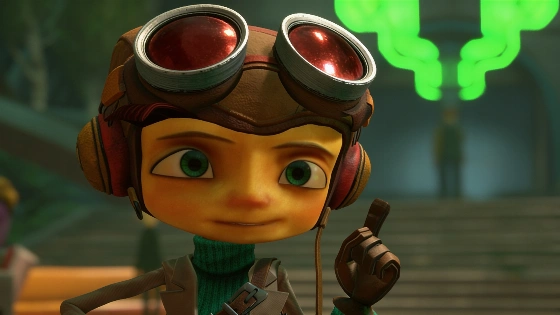
Double Fine's regained rights extend to recent releases such as Psychonauts 2 and Keeper, both of which have received strong critical reception. The studio's ability to manage its own catalogue and revenue stream is expected to provide greater stability as it navigates the post-Xbox landscape. For context on how platform changes can affect player access and rights, see our coverage of recent Xbox disc game outages and digital rights concerns.
What Remains Uncertain
Although Double Fine now controls its IP and publishing rights, the long-term impact of its independence remains to be seen. The studio faces the challenge of rebuilding after significant staff reductions and must secure funding for future projects without the backing of a major platform holder. The timeline for all digital storefronts to reflect the new ownership is also unclear, though the studio expects these updates to roll out gradually.
Players interested in supporting Double Fine can do so by purchasing its games across available platforms, with the assurance that proceeds now go directly to the studio. As Double Fine charts its own course, the industry will be watching to see how the studio leverages its creative freedom and manages the realities of independent development.
Intellectual property (IP) and publishing rights determine who controls a game's distribution, revenue, and future development. When a studio regains these rights, it can make decisions about re-releases, sequels, and pricing without external approval. However, the process of updating digital storefronts and legal records can take time, meaning players may still see outdated publisher information for a period after a rights transfer. For developers, full ownership offers creative autonomy but also brings new financial and operational responsibilities.