
Capcom has indicated that a sequel to Pragmata is now highly probable, following robust early sales for the sci-fi action-adventure. The publisher's latest financial results highlight the game's rapid commercial momentum and growing franchise potential
Capcom's sci-fi action-adventure Pragmata appears set to become the publisher's next major franchise, with senior executives now openly suggesting a sequel is on the cards. The prospect of a follow-up comes as Pragmata's initial sales performance has exceeded expectations, positioning the new IP alongside Capcom's established heavyweights.
Sequel Prospects and Official Hints
During a recent discussion of Capcom's financial results, corporate officer Yoshikazu Shimauchi stated that the likelihood of a Pragmata sequel is high, citing the game's commercial momentum. While no formal announcement has been made, this is the clearest indication yet that Capcom intends to build on Pragmata's early success. Previous comments from Capcom USA's chief operating officer Rob Dyer also pointed to the publisher's confidence in the IP, though he stopped short of confirming a new entry outright.
Pragmata's development cycle spanned six years, a significant investment for a new property. Capcom's willingness to discuss future plans so soon after launch suggests the publisher sees long-term value in the setting and characters introduced in the original game.
Sales Figures and Franchise Context
Pragmata has sold 2.51 million units worldwide within its first three months on sale, according to Capcom's latest figures. This performance is notable for a debut IP, especially in a market dominated by established franchises. The publisher's financial update also highlighted strong catalogue sales across the Resident Evil and Monster Hunter series, with Resident Evil Requiem reaching 8 million copies sold and Resident Evil 4 Remake now at 16 million units.
Capcom's share price rose 19% following the release of these results, reflecting investor confidence in the company's current strategy. The publisher's back catalogue continues to perform, with the Resident Evil 2 remake recently overtaking Resident Evil 5 as the series' best-selling entry-a milestone explored in detail in our analysis of how Resident Evil 2 remake became the franchise's new sales leader.
Gameplay and Critical Response
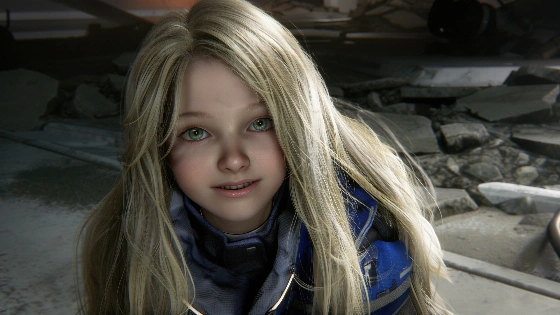
Set in a near-future lunar research station, Pragmata follows protagonists Hugh and his android companion Diana as they navigate a hostile environment using a blend of shooting and hacking mechanics. The game's combat has been praised for its punchy action and inventive puzzle elements, though some reviewers have noted that the narrative can feel secondary to the gameplay loop.
Critical reception has generally highlighted the game's satisfying third-person shooting and the unique dynamic between its leads. While the story has divided opinion, the overall package has been seen as a strong foundation for future entries, should Capcom proceed with a sequel.
What Remains Unconfirmed
Despite the strong signals from Capcom leadership, a Pragmata sequel has not been officially announced and no development timeline has been provided. It remains unclear whether a follow-up would continue the story of Hugh and Diana or introduce new characters and settings. Platform details, release windows, and gameplay innovations for any potential sequel have yet to be discussed publicly.
Players interested in the future of the series should watch for further updates from Capcom, as the publisher is likely to clarify its plans once internal milestones are reached and early sales trends are fully assessed.
Understanding how new IPs establish themselves in a crowded market is central to interpreting this story. Unlike sequels, which benefit from existing fanbases and brand recognition, original games must prove their appeal through both critical response and commercial performance. When a publisher signals intent to expand a new property so soon after launch, it typically reflects a combination of strong sales, positive player engagement, and confidence in the game's long-term potential. However, until a sequel is formally announced, all future plans remain subject to change based on ongoing results and internal priorities.