
Secret Games Company has revealed Bon Vivant, a strategy party sim set in 1920s Paris, where players host gatherings for historical figures and manage social dynamics. The game is self-published and currently available to wishlist on Steam
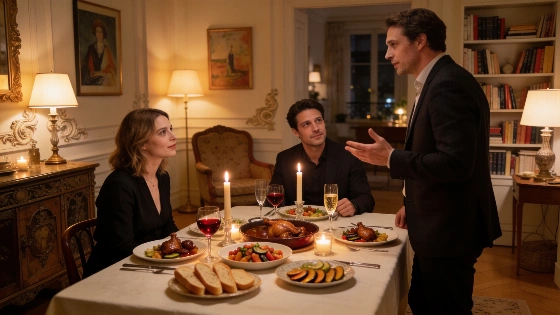
Secret Games Company has officially announced Bon Vivant, a new strategy party simulator set in 1920s Paris. The game invites players to host social gatherings for a cast of notable historical figures, including the likes of Hemingway and Picasso, while managing the mood and satisfaction of their guests. Bon Vivant is being self-published by the London-based indie studio and is now available to wishlist on Steam, with sign-ups open for its first playtest.
Gameplay Structure and Core Features
Bon Vivant centres on the player's ability to plan and execute successful Parisian dinner parties. Each run in the game spans a 12-month period, during which players typically host between four and six events. The core gameplay loop involves selecting guests, designing menus, and decorating the home to create the right atmosphere. Players must monitor a mood tracker to ensure guests are enjoying themselves, as higher satisfaction can unlock new characters and opportunities.
Guest management is a key mechanic, with each eligible attendee featuring a mini-biography outlining their financial status and personality traits. Satisfying guests may lead to introductions to new acquaintances, expanding the player's social circle. The game promises 40 unlockable characters, each with unique traits and potential perks for the host.
Shopping, Menu Design and Home Customisation
Players are tasked with budgeting for ingredients and decorations by exploring Parisian shops, including butchers, bakers, and cheese makers. The evolving in-game world affects food prices and the availability of new businesses, requiring players to adapt their strategies over time. Money can also be spent on furnishings and decorative items to enhance the home's cosiness and impress guests.
Menu planning is central to the experience, with players sourcing ingredients for both food and cocktails. Serving the right dishes at the right time can boost guest enjoyment, while drinks can reset conversations and alter the social dynamic. The interplay between menu choices and guest interactions forms a significant part of the game's strategic depth.
Development Status and Access
Bon Vivant is being developed and published by The Secret Games Company, an independent studio founded in London in 2012. The studio is known for its previous title Ozymandias, which reimagined the 4X genre for shorter play sessions. Bon Vivant has received a UK Games Fund grant and is currently in active development, with no confirmed release date beyond its 2026 window.
The announcement was accompanied by a trailer, which showcases the game's visual style and party-planning mechanics. However, it is not yet clear how representative the footage is of final gameplay, as no independent hands-on impressions or technical details have been released. Players interested in early access can wishlist the game on Steam and register for the upcoming playtest.
What Remains Unconfirmed
While the announcement outlines the main gameplay systems and social mechanics, several details remain unverified. There is no confirmed information on platform availability beyond PC via Steam, nor are there specifics on pricing, system requirements, or accessibility features. It is also unclear whether the game will support modding, cross-platform play, or additional content post-launch. Further technical and performance details are expected closer to release or during the playtest phase.
Bon Vivant's approach to party simulation places a strong emphasis on mood management and social strategy, distinguishing it from more traditional life-simulation titles. The evolving in-game economy and guest system suggest a focus on replayability, but the full extent of its depth will depend on future disclosures and player feedback from testing.
In simulation and management games, mood tracking systems are used to quantify the satisfaction of non-player characters based on player actions. In Bon Vivant, this mechanic appears central, as guest enjoyment directly influences progression and unlocks. Such systems typically rely on visible meters or trackers, allowing players to adjust their strategy in real time. The effectiveness of these systems often depends on how transparently they communicate feedback and how meaningfully player choices affect outcomes, which will be important to assess as more gameplay evidence becomes available.