
Aliens Fireteam Elite 2 brings four-player squads and a new Specialist class to its co-op shooter formula. The sequel builds on the original with expanded mission variety and customisation but keeps its focus on action over narrative depth
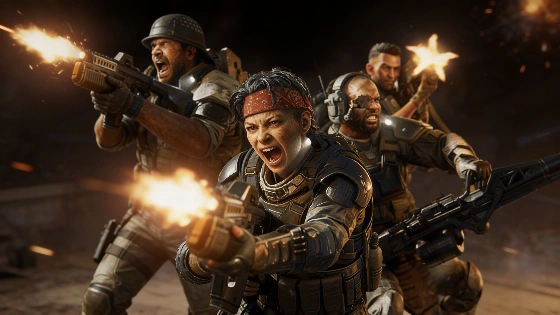
Aliens Fireteam Elite 2 wastes no time throwing players into relentless firefights, now with a full four-person squad and a Specialist class that lets you blend abilities from across the roster. The sequel's headline changes are immediately felt: more firepower, more flexibility, and a campaign that rarely lets up. While the game doesn't attempt to overhaul its core formula, it does sharpen the experience for those who want to blast through Xenomorph hordes with friends.
Expanded Squad and Class Options
The most significant shift from the original is the move from three to four-player co-op, finally allowing a full group to play together without leaving anyone behind. The addition of the Specialist class is more than a token gesture-it enables players to combine perks and weapons from other classes, opening up new tactical combinations. For example, you can pair the Machinist's turret with the Marauder's smartgun, or experiment with hybrid builds that suit your squad's needs. Traditional classes remain relevant, as their unique modifiers and abilities still require focused levelling to unlock their full potential.
Aliens Fireteam Elite 2 offers six classes in total, each echoing a character archetype from the films. The game's structure encourages experimentation, with the Specialist acting as a wildcard for those who want to break out of rigid roles. This flexibility is a clear response to feedback from the first game, where class limitations sometimes forced awkward compromises in group composition.
Mission Structure and Enemy Variety
The campaign is divided into six acts, each set in a distinct environment that players revisit as the story unfolds. Rather than feeling like repetitive backtracking, these returns are designed to reveal new threats and objectives, keeping the action fresh. Missions typically involve a mix of objectives-gathering intel, destroying equipment, holding out against waves, and extracting under pressure. The game's enemy roster is a highlight, with multiple Xenomorph types demanding different tactics. Runners swarm in numbers, Spitters attack from range, and larger threats like Warriors and Drones force players to adapt on the fly.
Weyland-Yutani synthetics add a further layer, requiring a more methodical approach and different weapon choices. The smartgun, so effective against Xenos, loses its edge against armoured synths, pushing players to switch up their loadouts. Consumable items such as turrets, mines, and ammo bins become essential for surviving tougher encounters, and the game rewards creative use of these tools. The campaign's difficulty is generally well balanced, though a notable spike in the fifth act may catch some squads off guard.
Progression Systems and Replayability
Progression in Fireteam Elite 2 is tied to both class levelling and mission completion. However, the system is not without friction: players who join friends further ahead in the campaign will find their own progression gated until they catch up, limiting access to certain store items and upgrades. This design choice can slow down groups who want to play together at different stages, but it does encourage replaying earlier missions for those who want to unlock everything.
Once the main campaign is finished, Horde mode unlocks, offering wave-based survival across three maps. Here, resource management becomes more demanding, as ammo crates provide only limited refills. Surviving longer waves yields currency for purchasing additional defences, and the mode serves as a lower-stakes alternative to the campaign's structured missions. Challenge Cards add further replay value, modifying mission parameters and encouraging teamwork, though random matchmaking can sometimes lead to unexpected complications.
Atmosphere and Technical Performance
Atmospherically, Fireteam Elite 2 captures the industrial horror of the Aliens universe with moody lighting, claustrophobic corridors, and environmental details that evoke the films. The crew aboard the USS Endeavor are likeable, if underused, and the game's tone is lighter than some might expect from the franchise. Dialogue during combat often references iconic lines, adding a layer of fan service without overwhelming the action.
Technical issues are present but rarely game-breaking. Occasional desyncs, minor animation glitches, and cutscene slowdowns appear, but these are more amusing than disruptive. The game's structure and design are reminiscent of other recent sci-fi shooters, such as those reported earlier, but Fireteam Elite 2's focus on class customisation and squad tactics gives it a distinct identity within the genre. The unlockable decals and armour customisation options provide additional goals for completionists, while the Specialist class ensures that even veteran players have new strategies to explore.
Aliens Fireteam Elite 2 does not attempt to reinvent the co-op shooter, but it refines its formula with meaningful additions. The expanded squad size, flexible class system, and replayable content make it a strong choice for groups seeking action-heavy sessions. The narrative remains secondary, and progression quirks may frustrate some, yet the core loop of blasting through Xenomorphs and synthetics is as satisfying as ever. For those who value gameplay over story, and who want a reason to return after the credits roll, this sequel delivers where it counts.
Understanding class-based co-op shooters is key to appreciating Fireteam Elite 2's design. Each class offers unique abilities and weapons, but the introduction of the Specialist allows players to break traditional boundaries and experiment with hybrid builds. This approach not only increases replayability but also encourages teamwork and adaptation, as squads can tailor their composition to the mission at hand. The result is a game that rewards both planning and improvisation, keeping each session unpredictable and engaging.