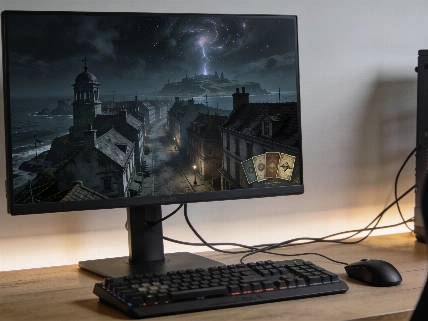

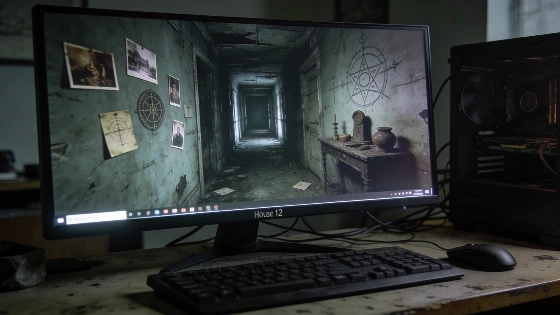
Ecuadorian solo developer Ignacio Bustamante has unveiled Abyzou Rituals: The Manson Case for Steam and Epic Games Store. At its centre is an unfinished ritual that reaches into the way players discover the game.
Clicking Play is not simply the start of Abyzou Rituals: The Manson Case. In Ignacio Bustamante's psychological horror game, entering House 12 becomes part of an unfinished ritual. It reaches beyond the fictional archive shown on screen.
The House 12 premise
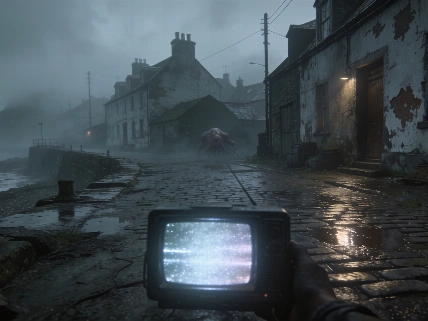
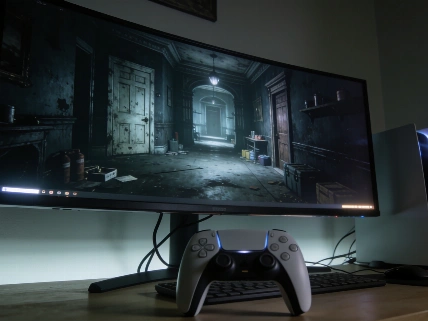
The game is built around material supposedly recovered from a corrupted archive linked to House 12. The evidence includes degraded recordings, photographs, found-footage tapes, occult symbols, forbidden prayers and ritual objects left behind after a cult gathering ended in bloodshed.
The story is presented as an incomplete event rather than a standard haunted-house mystery. Bodies were discovered. The cult vanished. The ceremony stopped before its final stage.
Abyzou Rituals: The Manson Case treats that interruption as the source of its threat. Something answers after the ritual is disturbed.
This is a fictional premise described by the developer. It is not evidence of a real ceremony. The game's marketing keeps that line deliberately uncomfortable, but it does not establish events outside the game.
Available search results do not confirm any legal decision, official investigation or public statement connected specifically to Abyzou Rituals: The Manson Case. The promotional references to the case and its apparent real-world framing should therefore be treated as fictional presentation unless the developer provides verifiable documentation.
Evidence as gameplay
Bustamante's debut project asks players to reconstruct the ceremony through objects and recordings scattered around House 12. Observation, quick thinking and mental resilience are presented as the player's tools. Weapons and conventional combat systems are not part of that description.
The announced audiovisual design follows the same approach. Whispers, distorted audio, infant cries, footsteps, apparitions and disturbances in the environment are meant to make the house feel connected to the player's side of the screen.
The found-footage presentation adds to that effect. It makes the game appear recovered rather than created.
These details describe the intended experience. They do not independently show how the final game will play. The announcement supplies no release date, review build, performance test, playtime or completed playthrough. The available information supports a description of the concept and its horror systems, not a verdict on execution.
Wishlist as ritual
The sharpest piece of promotion turns a normal storefront action into part of the fiction. Adding Abyzou Rituals: The Manson Case to a wishlist is presented as consent for the ritual. The game is currently available to wishlist on Steam and Epic Games Store.
The idea links discovery directly to the game's intended psychological effect. It also places the project in a familiar pre-release cycle. A wishlist records interest, but it does not confirm a launch date or guarantee that the finished game will match its pitch.
Our earlier coverage of a completed Steam release dealt with a game that had already reached version 1.0. Abyzou Rituals: The Manson Case is at a much earlier stage of public communication. Its storefront presence currently works as an invitation to follow the project.
A profile in the WAME games listing associates the project or its studio with MOBIBRAIN TECHNOLOGY PTE. LTD. That listing points to a possible corporate connection. It does not provide a company press release, technical specifications, confirmed release announcement or further official development details.
What remains unknown
The announcement is dated Ecuador September 25 2026. It identifies House 12 as the game's main location.
It confirms a solo developer. The game is available to wishlist on Steam and Epic Games Store. It is Bustamante's debut project. The announcement gives no price, launch window, edition details or technical specifications.
That missing information matters. A corrupted archive can be an effective horror format, but screenshots and feature descriptions cannot establish image quality, frame pacing, loading performance, accessibility or stability.
Nothing supplied shows whether the disturbances are scripted set pieces, dynamic systems or a mixture of both.
Independent search results have not verified a later release-status update or a specific launch date. They also contain no confirmed commercial figures or regulator response.
Reuters, AP, Bloomberg, the Financial Times and The Wall Street Journal do not appear in the available results as sources reporting those matters. No official developer or publisher page was found to support a revised timeline.
Bustamante is an Ecuadorian solo developer whose professional career has been outside game development. Abyzou Rituals: The Manson Case is his first video game. The announcement makes its aim clear: it wants players to feel implicated rather than safely separated from the fiction.
The project's strongest confirmed feature is its framing. Abyzou Rituals: The Manson Case has no release date or independently tested build, but it has a clear horror hook. The storefront wishlist becomes part of the fiction.
That is a sharper idea than generic supernatural branding. Players will still have to judge the finished game by what it delivers beyond the ritual language. For now, this is an intriguing announcement to watch, not a finished experience ready to recommend.
Found-footage horror depends on the suggestion that recordings are evidence rather than authored scenes. In a game, image degradation, sound design and incomplete information create that effect. The underlying events remain scripted by the developer.
That distinction matters here. The announcement promises an atmosphere and a narrative device. It does not prove that the game can affect reality or the player's mind outside its fiction.