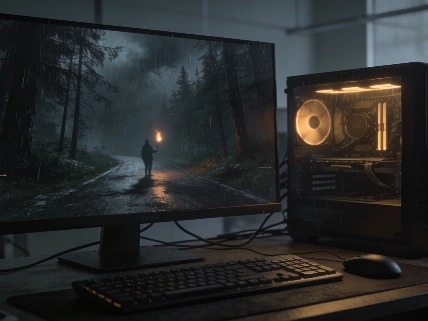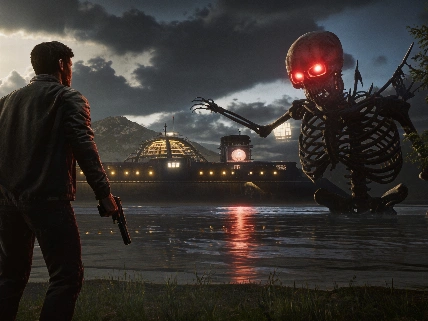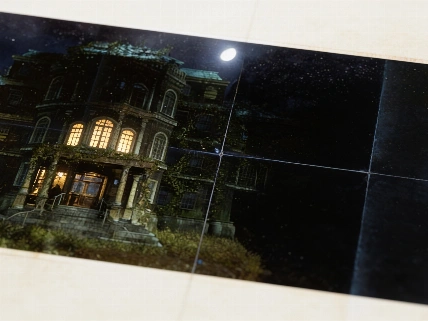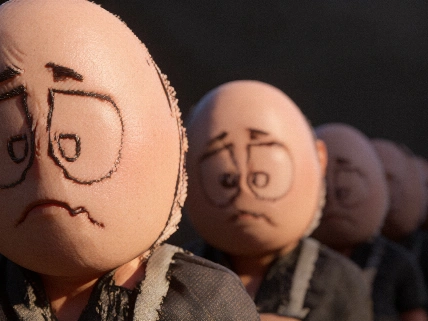

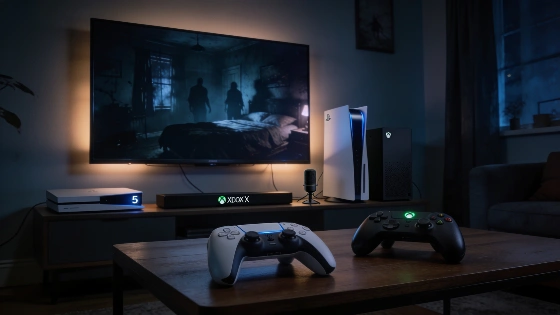
Dream Cage, developed by Hitori De Productions and published by JanduSoft, is now available on PlayStation 5 and Xbox platforms. This psychological horror game uses your microphone to shape each night's nightmare, drawing on real sleep paralysis stories
Dream Cage does not just want to scare you-it wants to listen. The newly released psychological horror game from Hitori De Productions, now available on PlayStation 5 and Xbox, actively monitors your microphone, making every breath, whisper or nervous laugh a potential trigger for the terrors lurking in your virtual bedroom. This is not a passive horror experience: the game's core mechanic is built around your own sounds, forcing players to confront the unnerving reality that silence is sometimes the only defence.
Microphone Mechanics and Nightly Threats
Unlike traditional horror titles that rely on scripted jump scares or predictable enemy patterns, Dream Cage's defining feature is its use of the player's microphone. Every night, the game listens for any audible cue-talking, breathing, or even the faintest noise. These sounds can attract hostile entities or alter the unfolding nightmare, making each session unpredictable. The game draws directly from real accounts of sleep paralysis, aiming to replicate the sense of helplessness and dread that comes with being trapped between sleep and waking.
Across five distinct nights, players are confronted with a series of escalating threats and over 25 documented anomalies. Each night introduces new challenges and entities, requiring players to adapt their behaviour and learn the consequences of every sound they make. The result is a tense, claustrophobic experience that rewards careful observation and punishes carelessness.
Platform Availability and Technical Details
Dream Cage is available now on PlayStation 5 and Xbox, with Xbox Play Anywhere support enabling play across Microsoft consoles, PC and the ROG Xbox Ally handheld. This cross-platform approach ensures that players can experience the game's unique mechanics regardless of their preferred hardware. The game's release follows a growing trend of indie horror titles leveraging new input methods to heighten immersion, as seen in other recent genre experiments.
For those interested in covering or streaming Dream Cage, JanduSoft is distributing review keys through Press Engine and a dedicated Google Form. The publisher has not specified any platform-exclusive features or performance differences, and there is no mention of a physical edition at launch. The game's technical requirements are modest, focusing on microphone access and basic console or PC compatibility rather than demanding graphics or advanced effects.
Indie Horror's Expanding Reach
Dream Cage's arrival comes at a time when psychological horror is enjoying renewed attention, with developers increasingly drawing on real-world phenomena for inspiration. The game's focus on sleep paralysis and player-driven audio input sets it apart from more conventional horror releases. This approach echoes the narrative innovation seen in titles like REANIMAL, which reported earlier for its environmental storytelling and design accolades.
While Dream Cage is positioned as an indie gem, its reliance on microphone input may limit accessibility for some players, particularly those in shared or noisy environments. The absence of a traditional control scheme for its core mechanic is a deliberate design choice, but it remains to be seen how widely this will resonate beyond dedicated horror fans. The game's structure-five nights, each with unique threats-suggests a focused, replayable experience rather than a sprawling campaign.
Dream Cage's use of the microphone as a gameplay device highlights a broader trend in horror games: the search for new ways to unsettle players beyond visual and narrative shocks. By making the player's own environment part of the threat, the game blurs the line between fiction and reality, demanding a level of self-awareness rarely required in the genre. This is a calculated risk by Hitori De Productions and JanduSoft, and while it may not appeal to every player, it demonstrates a willingness to push the boundaries of interactive horror. For those seeking a genuinely unnerving experience, Dream Cage's arrival on PlayStation 5 and Xbox is a clear signal that indie developers are not afraid to experiment with the fundamentals of fear.
Microphone-driven gameplay introduces a unique set of challenges and opportunities for horror games. Unlike traditional input methods, audio input can be unpredictable, reflecting the player's real-world environment and behaviour. This can heighten immersion but also introduces variables that are difficult to control, such as background noise or unintended sounds. Developers must balance the desire for realism with the need for accessibility, ensuring that the mechanic enhances rather than frustrates the experience. As more games experiment with unconventional input, understanding the technical and design implications of microphone integration will become increasingly important for both players and creators.